
Revolutionizing Climbing: How 3D Printed Athos Shoes Offer Unprecedented Comfort and Performance
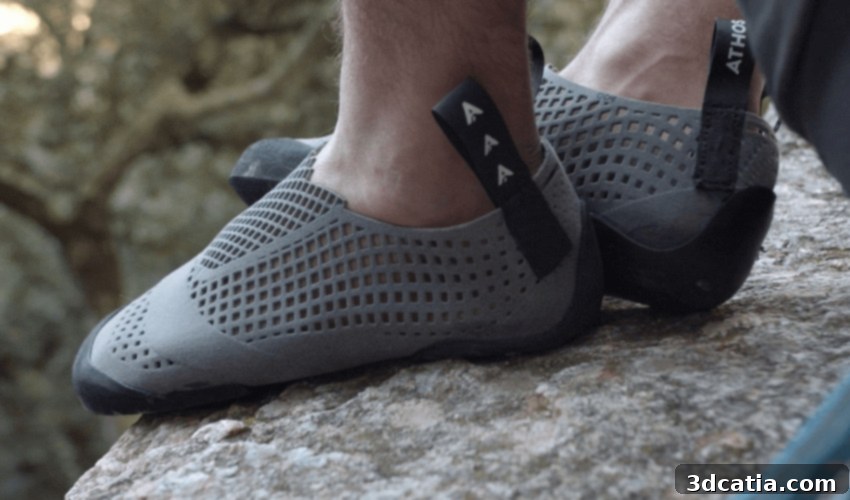
The innovative realm of 3D printing continues to reshape industries, and its impact on the world of sports and footwear is particularly transformative. From advanced running shoe midsoles to custom protective gear, additive manufacturing is proving to be a game-changer. This cutting-edge technology is once again at the forefront of innovation with the development of Athos climbing shoes. Often affectionately referred to as “cat feet” by climbers for their exceptional grip and precision, climbing shoes are an indispensable piece of equipment for athletes tackling vertical challenges. They provide crucial support on tiny holds and edges, preventing slips and enabling complex maneuvers. The Athos project represents a compelling convergence of three vital fields: advanced technology, specialized footwear design, and the demanding sport of climbing. But how exactly has additive manufacturing been leveraged in this project, and what sets Athos apart from the conventional climbing shoes that athletes have relied on for decades?
For many professional and amateur climbers alike, the pursuit of optimal performance often comes at a significant cost: comfort. Despite being a critical piece of gear, traditional climbing shoes are notoriously uncomfortable, frequently leading to pain, blisters, and even long-term foot injuries. A common practice among experienced climbers is to wear shoes that are two or even three sizes smaller than their regular street shoes. This painful compromise is made in the belief that a tighter fit provides superior sensitivity and a more secure grip on challenging holds. However, this extreme compression can lead to a host of problems, including bunions, hammertoes, nerve impingement, and circulatory issues, severely impacting a climber’s well-being and potentially shortening their career. Recognizing this pervasive problem, a talented group of Spanish students from the esteemed Elisava School of Design embarked on a mission to redefine climbing footwear, culminating in the creation of Athos. The initial spark for the project came from a broader exploration into innovative applications for additive manufacturing. Upon learning about the widespread discomfort associated with conventional climbing shoes, the students channeled their expertise into developing a revolutionary solution. Their ambitious project focused on creating fully customized climbing shoes, precisely adapted to the unique contours of each individual climber’s foot. The ultimate goal: to achieve unparalleled adaptability, enhance performance, and deliver superior comfort, thereby transforming the climbing experience.
Athos: Redefining Sports Footwear with 3D Printing
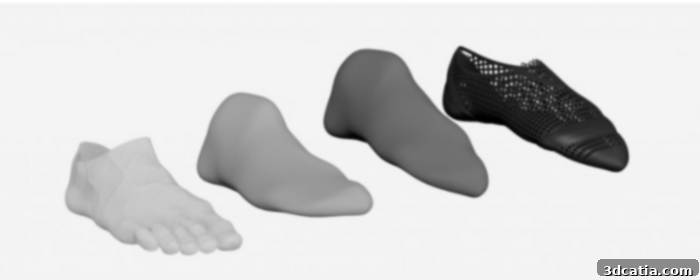
As previously highlighted, the core concept behind Athos was to implement additive manufacturing in a truly innovative and impactful way, and this technology proved absolutely pivotal to the successful development of the Athos climbing shoes. The paramount advantage that 3D printing brought to this project was its unparalleled capability for customization. Unlike mass-produced footwear that relies on standardized sizing, 3D printing allows each shoe to be meticulously tailored to the exact anatomical shape of an individual climber’s foot. This bespoke approach considers not only the general foot size but also specific needs, pressure points, and desired performance characteristics unique to each user. The workflow developed by the Elisava team is a testament to the power of personalized manufacturing: it begins with a precise 3D scan of the climber’s feet, capturing every nuance of their anatomy. This data then informs the customization of a digital prototype, ensuring an optimal fit and functional design. Following digital refinement, the footwear body is fabricated using 3D printing, an efficient and precise process. Subsequently, post-processing steps are carried out, and finally, essential components such as elastics and straps are assembled, culminating in the delivery of a perfectly fitted pair of climbing shoes to the user. It is crucial to note that while the main body of the shoe—the part that cradles the foot and provides structural support—is 3D printed, ancillary components like the elastic straps are attached separately. This modular approach allows for specialized materials to be used for different functions. What’s truly remarkable about this entire process is its inherent simplicity and potential for accessibility, promising a future where custom-fit athletic gear is within everyone’s reach.
The Power of TPU: Material Innovation for Climbing Performance
The material selection for the Athos project was a critical decision, and the young students wisely chose Thermoplastic Polyurethane, or TPU. This exceptional thermoplastic polymer is renowned for its unique combination of properties, making it an ideal candidate for high-performance athletic footwear, particularly in demanding applications like climbing. TPU is characterized by its remarkable flexibility, which allows it to conform to complex shapes and movements without losing structural integrity. Furthermore, its inherent elasticity ensures that the shoe can stretch and recover, providing both comfort and a dynamic fit. Beyond flexibility and elasticity, TPU boasts excellent abrasion resistance, crucial for a shoe that constantly rubs against rough rock surfaces. Its durability ensures a longer lifespan for the shoes, even under rigorous use. Moreover, TPU offers good grip characteristics, an essential attribute for climbing footwear where every bit of traction counts. This makes it far superior to many conventional materials that may offer one or two of these benefits but rarely all in such a balanced manner. Unlike the mass-produced, standardized footwear typically found on the market, Athos shoes are engineered for a perfect custom fit. This individualization is not merely a luxury; it is a fundamental design principle aimed at achieving the ultimate climbing shoe for each athlete, maximizing their potential on the wall. The advantages of leveraging 3D printing extend beyond performance and comfort. This technology also champions a much more responsible and sustainable manufacturing paradigm. By producing footwear on-demand and precisely to specification, Athos significantly reduces material waste and streamlines complex production processes. This approach is estimated to cut both material consumption and manufacturing steps by an impressive 50%, representing a significant step forward in eco-conscious production within the sports industry. This shift away from traditional, wasteful mass production to a lean, demand-driven model is a testament to the sustainable potential of additive manufacturing.
The Impact and Future of Athos Climbing Shoes
The Athos project’s innovative approach and groundbreaking results have garnered significant attention and acclaim within the design and technology communities. Its exceptional merit has been recognized through nominations for several prestigious awards, underscoring its potential to revolutionize the sports footwear landscape. These accolades include nominations for the Forward AM Innovation Awards, which celebrate pioneering advancements in additive manufacturing; the Elisava Master’s Project Awards, highlighting excellence in design education; and the Distributed Design Awards, which champion projects that promote sustainable and locally responsive design. Such recognition from prominent industry bodies validates the profound impact and ingenuity of the Athos climbing shoes. These nominations not only elevate the profile of the project but also serve as a powerful endorsement of the students’ vision and the transformative capabilities of 3D printing in personalized athletic gear. The success of Athos sets a high bar for future innovations from the Elisava School of Design, leaving the industry eager to see what other breakthroughs related to 3D printing this talented institution will unveil next. The project demonstrates a clear pathway for integrating advanced technology with user-centric design to solve long-standing problems in sports equipment. For those interested in delving deeper into the specifics of this remarkable project and its detailed journey from concept to award-nominated innovation, further comprehensive information can be found HERE.
The advent of 3D printed climbing shoes like Athos marks a pivotal moment for athletes seeking an edge in performance, comfort, and injury prevention. This technology promises to move beyond the limitations of traditional manufacturing, offering a truly personalized experience that caters to the unique biomechanics of each climber. Imagine a future where every piece of athletic equipment is custom-fit, enhancing both capability and well-being. Athos is a shining example of this future taking shape today. What are your thoughts on these innovative 3D printed climbing shoes? Do you believe custom-fit footwear is the next frontier for athletic performance? We invite you to share your insights and opinions in a comment below, or engage with us on our Facebook and Twitter pages. Stay informed about the latest developments in additive manufacturing and sports technology by signing up for our free weekly newsletter, delivering all the essential 3D printing news directly to your inbox!
*All Image Credits: Athos Project