

How 3D Printing is Revolutionizing Healthcare During Crises: A Global Community Response
In recent times of global health emergencies, such as the unprecedented crisis we have recently experienced, the world witnessed an extraordinary mobilization of resources and ingenuity. A critical challenge during these periods is often the severe shortage of essential medical supplies, including personal protective equipment like masks and life-saving devices such as ventilators. Hospitals, frontline healthcare workers, and patients alike bear the brunt of these supply chain disruptions, facing dire situations due to insufficient equipment.
Amidst this global scarcity, the additive manufacturing (AM) community, commonly known as 3D printing enthusiasts and professionals, rose to the occasion with an inspiring display of solidarity and innovation. This powerful network quickly galvanized, leveraging the inherent flexibility and rapid prototyping capabilities of 3D printing to develop and produce much-needed medical components and devices. Unlike traditional manufacturing methods, which often involve lengthy tooling processes and large-scale production runs, 3D printing allows for rapid iteration, customization, and decentralized manufacturing, making it an ideal technology for agile responses to urgent demands. The ability to transform a digital design file into a physical object within hours, anywhere in the world, proved to be an invaluable asset. This article delves into the remarkable initiatives launched by the 3D printing community, highlighting their pivotal role in confronting the crisis and shaping the future of emergency medical supply chains.
Rapid Solutions: 3D Printed Masks and Ventilators
The immediate need for personal protective equipment (PPE) and respiratory assistance devices prompted a wave of initiatives focused on 3D printing masks and critical ventilator components. The global 3D printing community demonstrated that innovation could emerge from anywhere, responding with incredible speed and dedication.
Copper3D’s NanoHack Mask: An Open-Source Solution
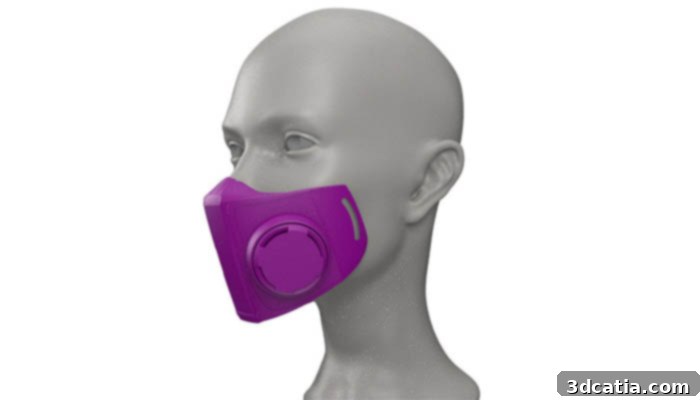
Copper3D, a company at the forefront of medical 3D printing, launched its groundbreaking Hack the Pandemic global initiative. This call to action aimed to unite manufacturers, 3D printing services, and fab labs worldwide in the production of their innovative NanoHack mask. Designed as a viable alternative to the conventional N95 masks, the NanoHack boasts several critical advantages: it is antiviral, washable, reusable, recyclable, and remarkably affordable. To ensure widespread accessibility and rapid deployment, Copper3D made the STL file for the mask publicly available, alongside comprehensive instructions for printing and assembly. The company even shared details of its patent, emphasizing the scientific rigor behind its development by a dedicated team of scientists from the US and Chile. This open-source approach underscored the community’s commitment to prioritizing public health over proprietary concerns. You can find the file HERE.
The Italian Valve: A Lifesaving Intervention
Early in the crisis, Italy became a poignant example of how quickly traditional supply chains could buckle under extreme pressure. In a critical moment, a hospital in Brescia faced a severe shortage of valves for its respiratory intensive care equipment. With traditional suppliers unable to deliver parts in time, several local companies, leveraging their 3D printing capabilities, mobilized to produce these essential components. This urgent intervention proved lifesaving for ten COVID-19 patients, powerfully demonstrating the unparalleled efficiency of 3D printing technologies in dire emergencies. Christian Fracassi, the designer behind the 3D-printed valve, highlighted the ethical and logistical complexities of such rapid innovation. While the immediate need was met, the issue of widespread distribution and regulatory approval for medical devices remains a significant challenge, prompting cautious file sharing to ensure safety and prevent misuse. This incident showcased the incredible potential of localized, on-demand manufacturing to bridge critical supply gaps during a crisis.
European Commission’s Call to Action and Open-Source Masks
The scale of the crisis necessitated coordinated efforts beyond individual initiatives. Mobility Goes Additive (MGA) amplified an urgent call from the European Commission for printed components to combat the spread of the virus. This initiative sought to harness the collective power of the AM community to produce a staggering 25,000 ventilators and numerous masks. Emphasizing collaboration and accessibility, the Commission shared an open-source mask model, developed by a dedicated team in Italy, further promoting rapid, decentralized production across the continent. Such large-scale coordination efforts highlight the potential for 3D printing to significantly bolster national and international preparedness strategies against future health crises. You can find the file HERE.
The Code Vie Ventilator Challenge: Structuring Global Innovation
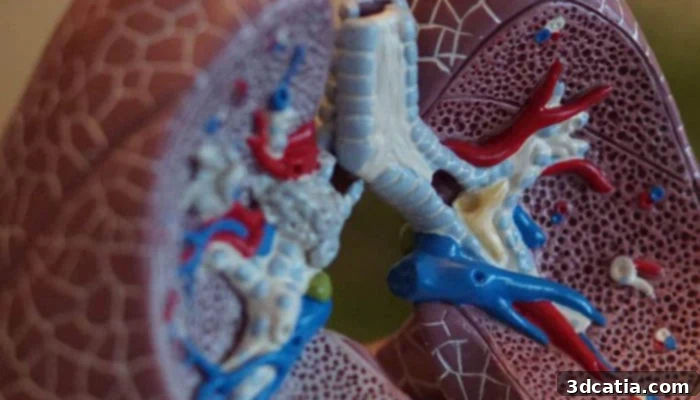
On the other side of the Atlantic, the Montreal General Hospital Foundation, Code Vie, in partnership with the Research Institute of the McGill University Health Centre (RI-MUHC), recognized the need to channel the myriad emerging initiatives into a structured and impactful global effort. They launched the Code Vie Ventilator Challenge, a global innovation competition designed to solicit innovative designs for ventilation systems. The challenge called upon designers, scientists, engineers, and manufacturers worldwide to develop a ventilator system that was not only effective but also simple, accessible, and easy to manufacture using either additive or subtractive methods. This initiative aimed to streamline and validate solutions, ensuring that the innovations developed by the AM community could meet clinical standards and be quickly deployed where needed most. The challenge actively sought applications until March 31st, inviting the brightest minds to contribute to this critical medical device development. You can apply to the challenge HERE.
Industry Leaders and 3D Printing Services Offer Their Expertise
The response to the crisis wasn’t limited to individual makers and small fab labs; leading companies within the additive manufacturing industry also stepped up, dedicating their extensive resources, expertise, and production capabilities to the global effort. Their contributions ranged from developing novel protective devices to offering their large-scale print farms for emergency production, showcasing the industry’s commitment to corporate social responsibility.
Materialise’s Hands-Free Door Opener: A Simple Yet Impactful Innovation
One of the most notable contributions came from Materialise, a pioneering 3D printing service and software company. Recognizing the significant risk of virus transmission through frequently touched surfaces, Materialise ingeniously developed and made available an open-source design for a hands-free door opener. This simple yet highly effective device allows individuals to open doors using their forearm, eliminating direct hand contact with potentially contaminated surfaces. Fried Vancraen, CEO of Materialise, emphasized the power of digital distribution: “By making the design available digitally, it can be produced on 3D printers everywhere and become available around the world in a matter of hours. In this case, we designed the product in Belgium and people in China, Europe or the U.S. can now 3D print the door opener locally.” This initiative perfectly illustrates the distributed manufacturing potential of 3D printing, enabling rapid, localized solutions to global problems. You can find the file HERE.

Leading Companies Mobilize Print Farms and Expertise
Several other prominent players in the 3D printing sector also pledged their support and resources. Companies like Formlabs, Airwolf3D, and BCN3D demonstrated their commitment to battling the pandemic. In Barcelona, BCN3D dedicated its extensive print farm facilities specifically to scientifically validated projects, ensuring that its output met the rigorous standards required for medical applications. Similarly, in California, Airwolf3D committed its manufacturing capabilities to produce critically needed medical components, directly addressing the global shortage of essential supplies. Beyond direct production, companies like Formlabs provided invaluable tips and advice on managing disruptions caused by the crisis, offering crucial guidance for remote work setups and adapting workflows – an essential resource for many teams now collaborating on projects from dispersed locations. These efforts underscore the multifaceted ways in which the industrial 3D printing sector contributed, not just through hardware production but also through knowledge sharing and strategic guidance.
The Power of Digital Collaboration and Distributed Manufacturing
The collective response from the 3D printing community during this health crisis has redefined our understanding of supply chain resilience and global collaboration. The ability to rapidly design, prototype, and manufacture critical components on a local level has proven indispensable when traditional supply chains falter. This era has accelerated the adoption of distributed manufacturing models, where digital files are shared globally, allowing for local production based on immediate needs. The emphasis on open-source designs has fostered an unprecedented level of collaboration, bringing together diverse expertise from medical professionals, engineers, designers, and hobbyists. This collaborative spirit, combined with the inherent agility of additive manufacturing, paints a promising picture for future preparedness strategies, suggesting that localized 3D printing hubs could play a crucial role in responding to future emergencies, minimizing reliance on distant and potentially vulnerable global supply chains.
Looking Ahead: The Enduring Impact of 3D Printing in Healthcare
The initiatives highlighted above represent just a fraction of the immense contributions made by the 3D printing community during a period of intense global challenge. This crisis has unequivocally demonstrated the transformative potential of additive manufacturing, not only as a rapid prototyping tool but as a vital component of resilient supply chains and an agile responder in emergency situations. The lessons learned, the innovations developed, and the collaborative spirit fostered during these times will undoubtedly have a lasting impact on how we approach healthcare preparedness, medical device manufacturing, and global humanitarian efforts. The dedication of individuals and companies alike to leverage technology for the greater good is a testament to the power of human ingenuity. We invite you to reflect on these remarkable efforts. Do you have any further ideas or insights into what the 3D printing community could do to continue supporting global health and emergency response? We encourage you to share your thoughts in a comment below or on our Facebook and Twitter pages! Don’t forget to sign up for our free weekly Newsletter to stay informed with all the latest news in 3D printing delivered straight to your inbox!