
Dubai Reefs: Pioneering Sustainable Ocean Cities with 3D Printing for Marine Restoration
Coastal cities worldwide are increasingly facing severe threats from the accelerating impacts of climate change, particularly rising sea levels and coastal flooding. Experts, including those at URB, a global leader in sustainable urban development, predict that numerous metropolitan areas, such as Dubai, will experience significant challenges from these environmental shifts by the close of the 21st century. These critical issues are primarily driven by global warming, which causes the melting of land-based ice sheets and glaciers, alongside the thermal expansion of seawater as ocean temperatures rise. The consequences extend far beyond land, deeply affecting vital marine ecosystems. Rising sea levels, coupled with ocean acidification and warming, critically endanger coral reefs—complex and biodiverse underwater structures that serve as crucial habitats for countless marine species and provide essential protection for coastlines against erosion and storm surges. In an era where the marine environment is bearing the brunt of human activities, innovative projects are urgently needed and are being developed to promote comprehensive marine restoration and build resilience for coastal communities.
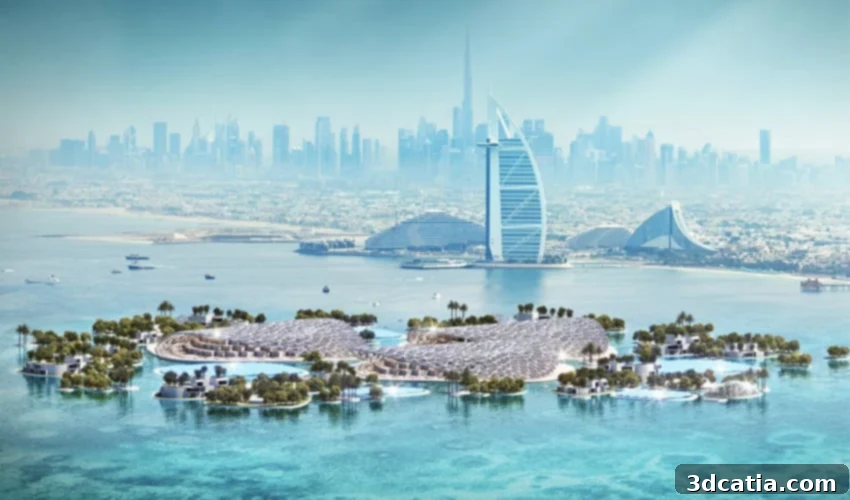
Amidst these global challenges, Dubai is stepping forward with a visionary and ambitious initiative known as Dubai Reefs. Led by URB, this groundbreaking project aims to establish a pioneering sustainable and floating city designed to integrate various essential sectors, including residential, hospitality, retail, educational, and research facilities. The core mission of Dubai Reefs is multifaceted: to create over 30,000 new employment opportunities, thereby fostering economic growth, while simultaneously safeguarding and enhancing Dubai’s invaluable marine and coastal environment. This monumental undertaking involves the strategic installation of an extensive artificial reef system, meticulously planned to span an impressive 200 square kilometers. This vast underwater landscape is envisioned to become a thriving habitat for an astonishing one billion corals and 100 million mangroves. These natural coastal defenders are renowned for their ecological benefits, protecting shorelines from the relentless forces of erosion, buffering against extreme weather events, and supporting rich biodiversity. The development of such large-scale artificial reefs has been significantly advanced by innovative technologies, with additive manufacturing, commonly known as 3D printing, playing a pivotal role. Forward-thinking companies and projects like D-Shape, Innovareef, and archiREEF are at the forefront, leveraging this technology to preserve, restore, and rejuvenate threatened underwater ecosystems globally, offering a beacon of hope for marine conservation.
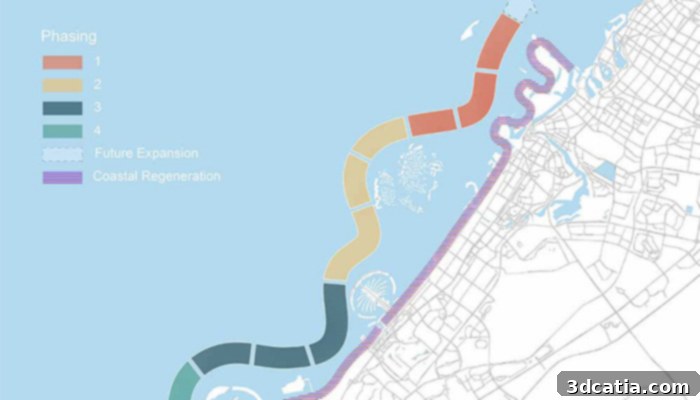
The 3D printed artificial reef will cover 200 km2 (photo credits: URB)
Revolutionizing Marine Restoration with 3D Printing Technology
The Dubai Marine Institute is at the forefront of this ambitious environmental endeavor, with a dedicated mission to ensure the long-term protection and sustainable management of Dubai’s invaluable marine and coastal environments. A cornerstone of this comprehensive initiative involves the strategic application of additive manufacturing, particularly for the creation of sophisticated artificial reefs. The decision to extensively utilize this advanced technology stems from its unparalleled ability to offer extraordinary design flexibility and precision. By harnessing the power of 3D printing, the institute can meticulously fabricate reefs with an astonishing variety of shapes, intricate textures, and complex topographies that closely mimic the natural underwater landscapes. This remarkable adaptability is crucial for ensuring that the artificial reefs seamlessly integrate into their existing marine ecosystems, providing optimal conditions for marine life to flourish. Unlike traditional methods of reef construction, 3D printing allows for the creation of highly customized structures that can cater to the specific needs of different species, offering diverse micro-habitats and promoting ecological complexity from the outset.
The Promise of 3D Bioprinting for Enhanced Biodiversity
Beyond structural design, the Dubai Marine Institute is actively exploring the immense potential of 3D bioprinting, a cutting-edge field that combines biological materials with additive manufacturing. Researchers are meticulously working towards developing innovative 3D-printed biomaterials specifically engineered to host microalgae. These bio-integrated structures are designed to mimic the intricate biological functions and visual appearance of natural coral structures, aiming to accelerate the natural recolonization process. This pioneering approach holds profound promise for significantly enhancing both the biodiversity and the overall ecological health of the reefs, potentially offering a more sustainable and biologically integrated solution for coral restoration. By replicating the complex symbiotic relationship between corals and algae, 3D bioprinting could provide a powerful tool to foster vibrant and resilient marine ecosystems, addressing the urgent need for innovative solutions in marine conservation.
A Vision for the Future: Connecting City Health with Ocean Health
Baharash Bagherian, the visionary CEO of URB, emphatically underscores the profound significance of the Dubai Reefs project, not only for Dubai itself but also for countless other coastal cities grappling with the imminent threats of rising sea levels and climate change. Bagherian articulates a fundamental truth: “The health of our cities is intrinsically tied to the health of our oceans. The ocean is the source of life controlling everything. Given that everything on our planet is connected, a healthy ocean is a healthy city.” He stresses the urgency of immediate action, warning, “Our ocean will be entirely different by the end of the century if we don’t take action today.” This stark warning serves as a powerful call to action, emphasizing the critical need for a paradigm shift in urban planning and development. Bagherian advocates for an entrepreneurial spirit in the planning of coastal cities, urging innovation in the types of infrastructure and developments that are inherently linked to the ocean. He posits that Dubai, as an innovative coastal city with a progressive outlook, is exceptionally well-positioned to spearhead such a transformative change. The Dubai Reefs initiative extends beyond merely creating a unique, resilient destination for ecotourism and cutting-edge marine research. Its ultimate ambition is to become a global blueprint for ocean living, demonstrating how urban development can coexist harmoniously with marine ecosystems while actively mitigating the devastating impacts of climate change. This project is set to inspire and guide future sustainable coastal developments worldwide, showcasing a viable path towards environmental stewardship and urban resilience.
To delve deeper into the intricate details and visionary scope of this transformative project, we invite you to click HERE for more information directly from URB.
Engage with the Future of Marine Conservation
What are your thoughts on the groundbreaking Dubai Reefs project and its innovative approach to marine conservation and sustainable urban living? We encourage you to share your insights and perspectives in a comment below, or join the conversation on our LinkedIn, Facebook, and Twitter pages! Stay informed about the latest advancements in 3D printing and environmental sustainability by signing up for our free weekly Newsletter here, delivering the most current 3D printing news straight to your inbox. You can also discover more about these incredible innovations by visiting and subscribing to our YouTube channel, where we feature exciting videos on the forefront of additive manufacturing and its applications.
*Cover photo credits: URB