
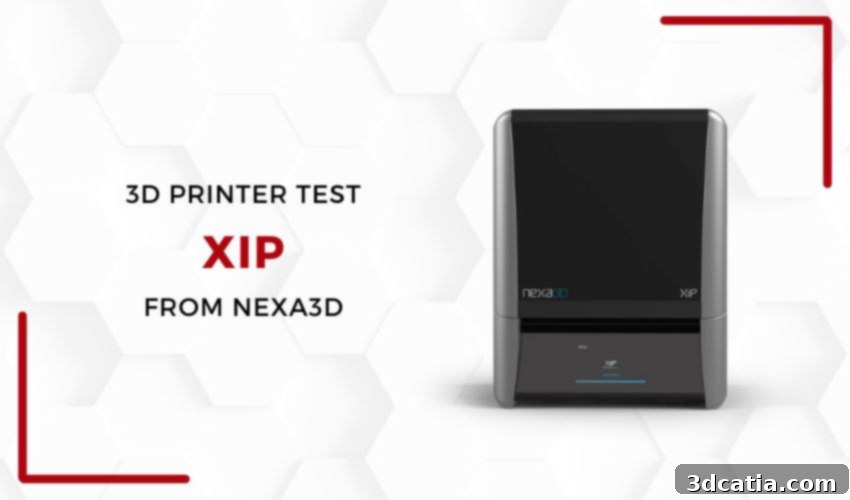
Nexa3D XiP: A Comprehensive Review of the High-Performance Desktop Resin 3D Printer Ecosystem
The landscape of additive manufacturing is constantly evolving, with new technologies and innovations pushing the boundaries of what’s possible. At the forefront of this revolution is Nexa3D, a company born from the visionary meeting between Avi Reichental, the former CEO of 3D Systems, and the brilliant minds behind the groundbreaking Lubricant Sublayer Photo-curing (LSPc) technology. Captivated by the immense potential of LSPc, Reichental established Nexa3D in 2015 with a clear mission: to accelerate the adoption of industrial 3D printing through speed, automation, and material versatility. Just three years later, in 2018, the Californian manufacturer unveiled its first commercial 3D printer, marking its definitive entry into the competitive additive manufacturing market.
Initially, Nexa3D strategically positioned itself as an exclusive provider for the industrial 3D printer market, catering to demanding manufacturing environments requiring high throughput and precision. However, recognizing the burgeoning demand across various sectors, the company has since broadened its portfolio. This expansion includes specialized solutions for the dental sector, enabling the rapid production of models, guides, and prosthetics. More recently, Nexa3D made a significant stride into the broader professional market with the introduction of its first desktop machine, the XiP. Consequently, Nexa3D’s product lines now effectively serve multiple key segments: engineering (identified by an ‘E’ in machine nomenclature, such as the NXE200 series), dental (denoted by a ‘D’), and the increasingly accessible desktop market with the innovative XiP. Beyond its acclaimed resin-based systems, Nexa3D further solidifies its commitment to diverse manufacturing needs by offering a high-performance SLS printer, the QLS, demonstrating its comprehensive approach to additive manufacturing solutions.
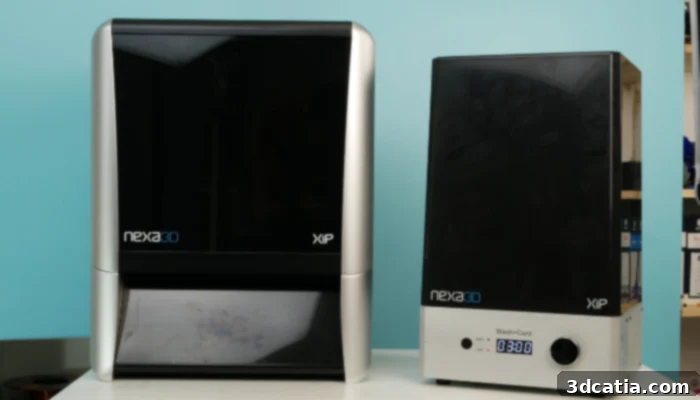
The XiP ecosystem includes the printer as well as a post-processing machine and an air filtration system
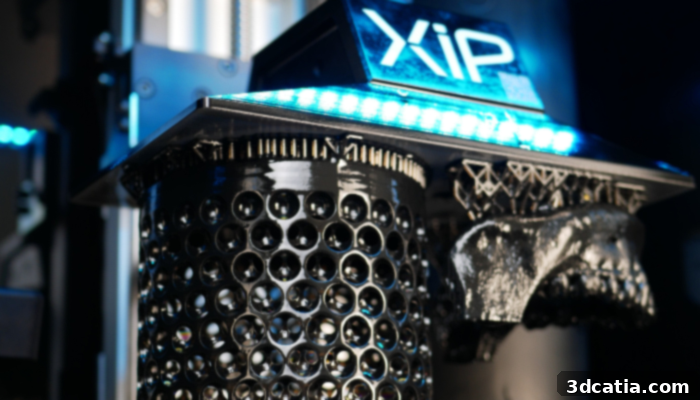
The XiP, first publicly showcased at the most recent Formnext trade show in Frankfurt, represents a new frontier for Nexa3D, bringing industrial-grade performance to a compact desktop footprint. This robust ecosystem is not merely a 3D printer; it’s a complete additive manufacturing solution encompassing the XiP 3D printer itself, a dedicated post-processing machine for washing and curing, an essential air filtration system, and a range of proprietary resin cartridges. Designed to democratize high-speed resin printing, the XiP boasts a compact size and an attractive entry-level price of $6,295, making professional-grade additive manufacturing accessible to a much broader audience, from individual engineers and designers to small businesses and educational institutions.
After several months of eager anticipation from the market, the Nexa3D XiP was officially released last April, promising to redefine desktop resin 3D printing. At our 3Dnatives Lab, we were among the first to conduct an exhaustive test of the machine, putting it through its paces over several weeks. Join us as we delve into our detailed findings and share our comprehensive assessment of this exciting new offering from Nexa3D.
Unboxing the XiP 3D Printer: First Impressions and Build Quality
Despite its relatively compact desktop form factor, the Nexa3D XiP arrived at our lab securely packaged on a full pallet, underscoring its industrial-grade origins and the comprehensive nature of its ecosystem. The pallet contained not only the printer box but also the post-processing machine, a wide array of accessories, essential spare parts, and a selection of materials to get started. Unpacking the XiP itself proved remarkably straightforward. Once the four robust clips are released, the top section of the box effortlessly separates from the base, revealing the pre-assembled machine, ready to be placed on the workbench. Inside the main printer box, we also found the power supply unit and a stylish water bottle adorned with the Nexa3D branding, a thoughtful touch.
Delving into the other accompanying boxes, we discovered the post-processing machine, also arriving fully assembled, alongside a remarkably comprehensive accessory kit. This kit included a dedicated cleaning tray, a plastic post-processing tray, a versatile silicone tool kit (comprising a pair of precision cutting pliers, both a metal and a plastic spatula for versatile material handling, and two files for finishing touches), a filter and funnel designed to streamline resin changes, a single pair of gloves for immediate use, and a specialized accessory for meticulously cleaning the resin vat. Furthermore, the package thoughtfully included two durable aluminum vats and a pack of three spare Everlast-2 membranes, ensuring longevity and uninterrupted operation.
While the provided accessory kit is undoubtedly extensive and well-curated for general use, our testing revealed that the addition of a pair of needle-nose pliers and fine-point tweezers would significantly enhance the user experience, particularly when tackling the delicate task of support removal. These tools are often indispensable for achieving pristine part finishes. Additionally, regular use of the XiP necessitates wearing gloves for safety and cleanliness. Although a single pair is provided, users will quickly need to purchase a supply of disposable gloves, as the initial pair is designed for single use.
It’s worth noting that our XiP unit was among the initial deliveries in Europe, and as such, the air filtration machine was not included in our specific package. However, Nexa3D has since standardized this offering, and the air filtration unit is now included as a standard component in all XiP packages. This crucial machine, designed to sit alongside the XiP on the workspace, actively draws in ambient air. It then employs a sophisticated combination of HEPA and activated carbon filters to effectively reduce Volatile Organic Compounds (VOCs) commonly associated with resin 3D printing, significantly improving the working environment. While the filtration machine greatly enhances safety, it is still recommended to wear a protective mask during operation, even though one is not provided by the manufacturer.
Visually, both the XiP 3D printer and its accompanying post-processing machine exude a premium aesthetic, characterized by a sleek combination of brushed aluminum and matte black plastic panels. This elegant design language extends to the resin cartridges, which are also crafted from aluminum. Nexa3D justifies its material choice not only for its superior aesthetics but primarily for its profound commitment to sustainability, recognizing aluminum as one of the most widely recycled raw materials globally. This ecological consciousness is integrated into the core design, with both the 3D printer and the post-processing unit featuring robust aluminum frames, mirroring the construction of the resin cartridges. Beyond its environmental merits, the aluminum construction imbues the entire Nexa3D ecosystem with a distinctive “premium,” minimalist, and thoroughly modern appeal, elevating it beyond typical desktop solutions.
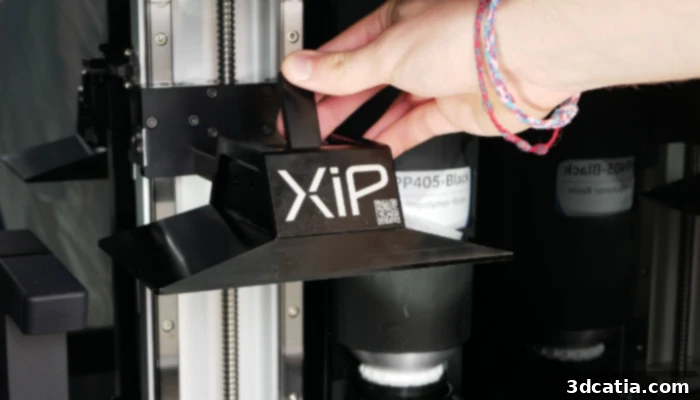
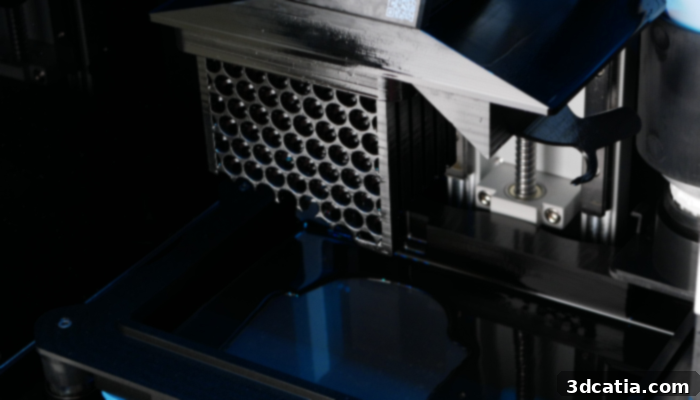
The tray’s fixing system allows for easy handling and a firm hold
Upon closer inspection of the printer’s interior, we were particularly impressed by the robust fixing system and the inherent parallelism of the build plate. These design elements are clear indicators of the printer’s overall durability and its commitment to consistent, high-quality prints. At the rear of the machine, users will find a comprehensive array of connectivity options for the XiP, including a USB B port for direct connections, an RJ 45 connector for stable network access, and the essential power socket.
Finally, while the XiP maintains a physical footprint (420x350x530mm or 77L) that is comparable to many other professional resin 3D printers on the market, it impressively distinguishes itself with a slightly larger printing volume (195x115x210mm or 4.8L) than many of its direct competitors. This optimized build volume, coupled with its compact exterior, allows users to print more parts or larger single components, enhancing productivity without demanding excessive workspace.
Installation of the Nexa3D XiP 3D Printer: A Seamless Setup
Once all the components are meticulously unpacked, the user’s initial task is to assemble the resin vat. This involves securely attaching an Everlast-2 membrane onto the aluminum vat frame using the four designated fixing clips. This ingeniously designed resin tray then slots effortlessly into the printer, held firmly in place by powerful electromagnets, ensuring perfect alignment and stability throughout the printing process.
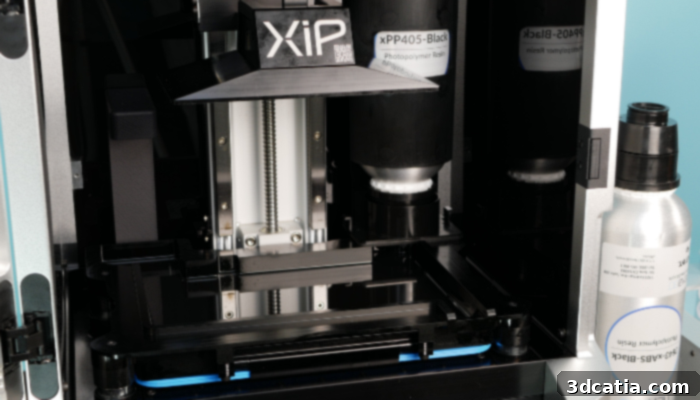
The vat rests on electromagnets that hold it firmly in place
Upon activating the machine for the very first time via the discreet power button located at the rear, users are greeted by a vibrant 5.5-inch color touch screen. This display is elegantly integrated into the front panel, appearing to vanish seamlessly when the machine is powered off, contributing to the XiP’s minimalist aesthetic. However, once illuminated, the screen springs to life with an intuitive interface designed for user-friendliness. The setup wizard promptly invites the user to scan a QR code, facilitating the association of the XiP with a personal user account – a crucial step for accessing online resources and managing print jobs. Next, the wizard guides the user to ensure the 3D printer is perfectly level; if not, the adjustable feet can be precisely manipulated to achieve optimal stability. The third step involves connecting the 3D printer to a local WiFi network, enabling wireless print job transfer and software updates.
To finalize the installation, a resin cartridge must be inserted into its designated slot. This cartridge, cleverly coupled with an ultrasonic sensor, enables the automatic and precise filling of the vat. A standout feature is that during printing, the resin tank is continuously monitored and maintained at an optimal level, thanks to a sophisticated flow system working in conjunction with the ultrasonic sensor, preventing print failures due to insufficient resin.
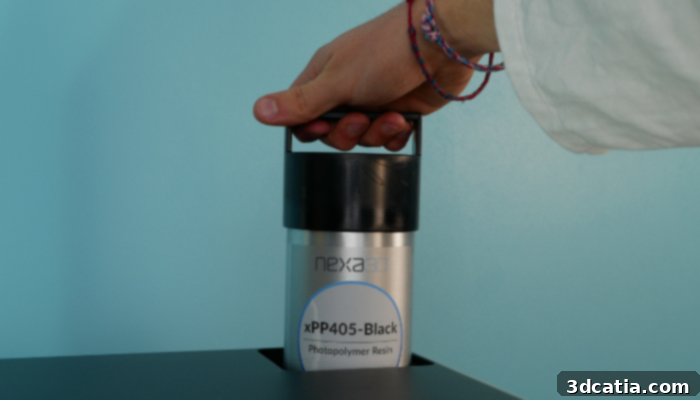
Proprietary cartridges allow for easy loading of materials
Overall, the installation of the XiP is an exceptionally quick and intuitive process. Nexa3D has gone to great lengths to simplify user onboarding, providing clear, step-by-step animations directly on the printer’s screen, further complemented by comprehensive video tutorials available on the manufacturer’s official website and YouTube channel. This dedication to user support ensures that even novices can get the XiP up and running with minimal effort.
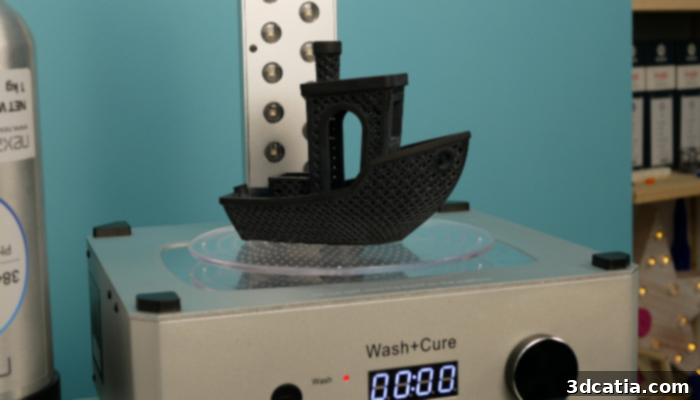
Regarding the post-processing machine, its installation is equally straightforward. Users simply place it on their workbench and install a cleaning tray, filled with an appropriate post-processing solution such as Isopropyl alcohol or X-Wash, Nexa3D’s proprietary cleaning agent. For the subsequent post-polymerization (or curing) stage, prints are transferred from the cleaning tray to a transparent curing tray, which conveniently fits into the same slot as the cleaning tray. Once the reflective cover is securely installed, the post-processing cycle can commence. Adjusting the Wash & Cure parameters is intuitive: a button on the front panel toggles between cleaning and curing functions, while a rotary potentiometer, coupled with a clear 7-segment display, allows for precise setting of operating times.
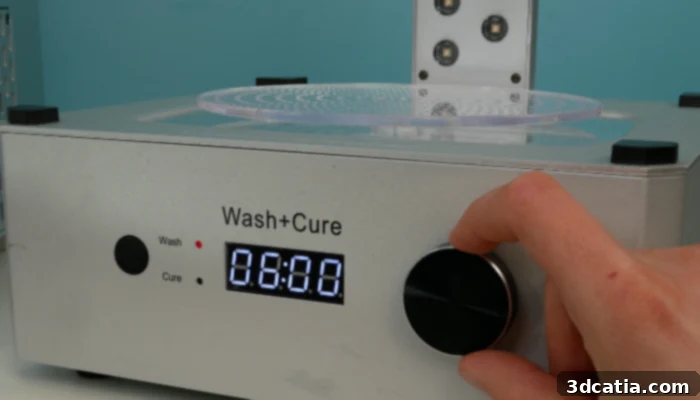
The post-processing machine allows you to easily clean and post-polymerize your prints
Understanding LSPc Technology: Speed and Reliability Redefined
As previously mentioned, the XiP is a high-performance resin 3D printer that harnesses Nexa3D’s cutting-edge proprietary technology: Lubricant Sublayer Photo-curing (LSPc). At its core, LSPc builds upon the foundational principles of Masked Stereolithography Apparatus (MSLA) technology, utilizing a potent UV light source masked by a high-resolution monochromatic LCD screen to selectively cure layers of liquid resin. However, LSPc fundamentally differentiates itself from conventional MSLA processes through the innovative use of a continuously lubricated membrane. This critical distinction addresses one of the most significant drawbacks in “standard” resin printing: the peeling force required to detach each newly cured layer from the membrane.
In traditional MSLA, the printed layer must be forcibly torn off the FEP film at the bottom of the resin vat to allow for the subsequent layer to be exposed. This repetitive “peeling” action can lead to several problems. Fragile parts of a print are susceptible to damage or detachment during this stress, and in worst-case scenarios, the suction created can even cause the membrane to tear, leading to print failure and potential machine damage. Recognizing these limitations, various manufacturers have developed proprietary technologies aimed at “softening” or mitigating this peeling process.
LSPc technology tackles this challenge head-on. Nexa3D integrates a slightly elastic, lubricated membrane into its resin vats. This continuous lubrication creates a frictionless interface between the cured resin layer and the membrane. The primary, and indeed revolutionary, advantage of this technology over a conventional MSLA 3D printing process is the dramatic increase in printing speed. Because the layers can be detached with significantly less force and friction from the lubricated membrane, the typically time-consuming operation of peeling each layer is drastically reduced. This allows the printer to move much faster between layers, translating into print speeds up to 20x faster than comparable MSLA systems, making the XiP an exceptionally productive tool for rapid prototyping and batch production.
NexaX, Nexa3D’s Proprietary Slicer: Power and Potential
Once the Nexa3D XiP machine is unpacked and correctly installed, the next crucial step is to install the manufacturer’s proprietary slicing software, aptly named NexaX. This essential software, readily available for download from the Nexa3D website, serves as the command center for preparing print jobs. It encompasses all the fundamental file handling operations, allowing users to import, manipulate, and orient 3D models, along with a comprehensive suite of standard printing parameters necessary for configuring print quality, layer height, and exposure settings.
The NexaX software is notable for its tiered offering, distinguishing itself with a premium version available at a substantial annual subscription price of $1,199. This premium tier unlocks a range of more advanced printing parameters, providing expert users with granular control over every aspect of the printing process. Crucially, the premium version also grants users the flexibility to utilize resins from other third-party manufacturers, significantly expanding the material palette beyond Nexa3D’s proprietary offerings. This openness, albeit behind a paywall, is a welcome feature for users seeking greater material choice and potential cost savings.
At its core, NexaX is designed to be a highly intuitive slicer, offering all the most common and essential tools for successful resin printing. Users can easily move and rotate parts on the build plate, generate both manual and automatic supports with customizable parameters, and receive accurate estimations of print time and material quantity required for each job. Beyond these basics, NexaX integrates several particularly interesting and productivity-enhancing features, such as advanced duplication and stacking of parts (referred to as “array” functionality for batch production), as well as simplified STL repair and modification tools, which can save considerable time and effort in preparing models for print.
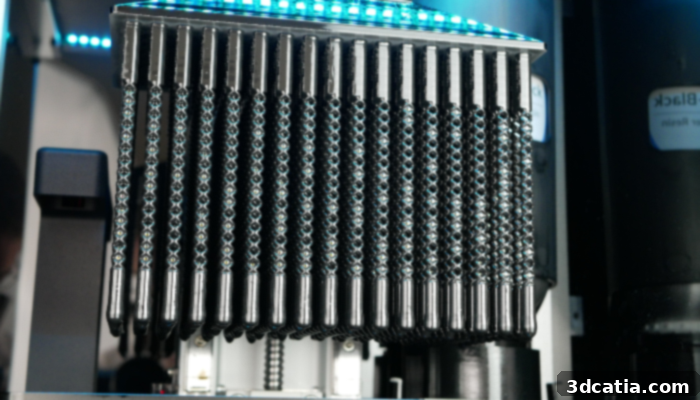
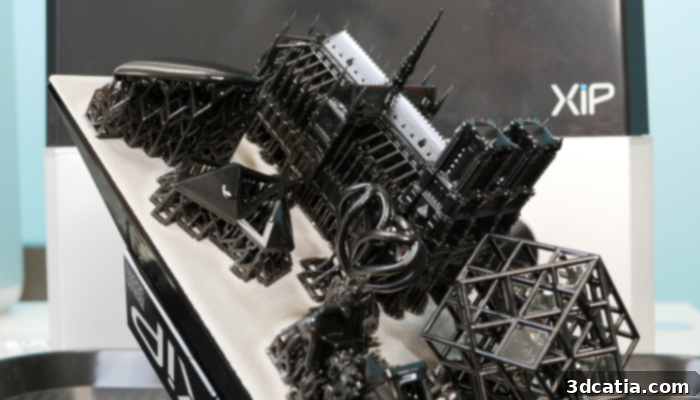
NexaX’s “Array” functionality allowed us to print, in series, 170 copies of a part
Despite its user-friendly interface and powerful features, our testing revealed some notable limitations within the NexaX slicer. Primarily, its compatibility is restricted to STL and OBJ file formats, with the more modern and efficient 3MF format regrettably overlooked. During extensive testing, particularly when generating supports, duplicating numerous parts, or saving large and complex files, we encountered noticeable slowdowns. These performance issues became particularly apparent when utilizing the “Array” functionality for the mass production of 170 units of a single model. This limitation could be significantly mitigated by incorporating support for the 3MF format, which is inherently lighter and more efficient to handle, thereby improving the fluidity of duplication and slicing for complex and high-volume print jobs.
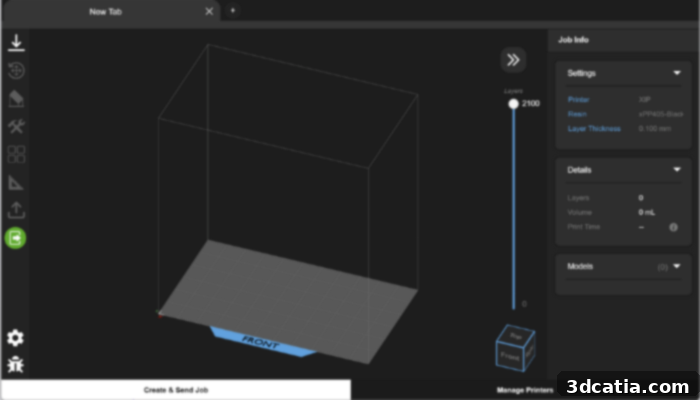
NexaX is an intuitive proprietary slicer developed by Nexa3D
Another compelling aspect of NexaX is its integrated wireless management interface for connected 3D printers. This feature proves exceptionally useful for users overseeing a fleet of machines, enabling efficient job management and monitoring from a centralized platform. However, it’s important to note that this functionality is currently limited to operation within a local network, which, while practical for most professional environments, may be a consideration for remote management scenarios.
First 3D Prints With the XiP from Nexa3D: Performance and Reliability
As soon as the resin tray is automatically filled by the intelligent cartridge system, the XiP signals its readiness to print, embodying a true plug-and-play experience. A significant advantage for users is that the parallelism of the printing plate is meticulously set at the factory. This eliminates the often-painstaking and error-prone process of manual calibration, guaranteeing consistent adhesion and print quality from the very first job. With setup complete, we prepared our initial print directly within the NexaX slicer and wirelessly transmitted it via Wi-Fi to the printer.
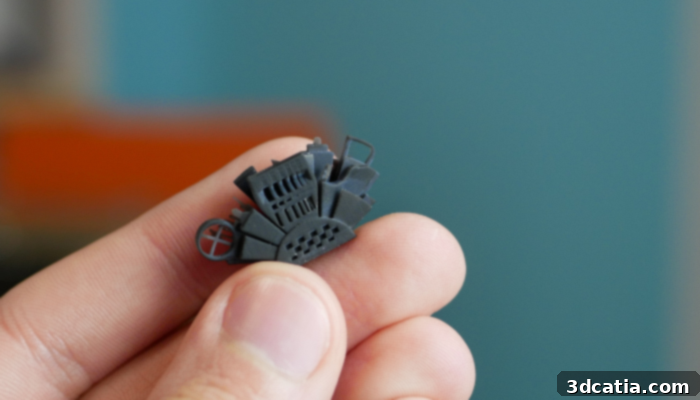
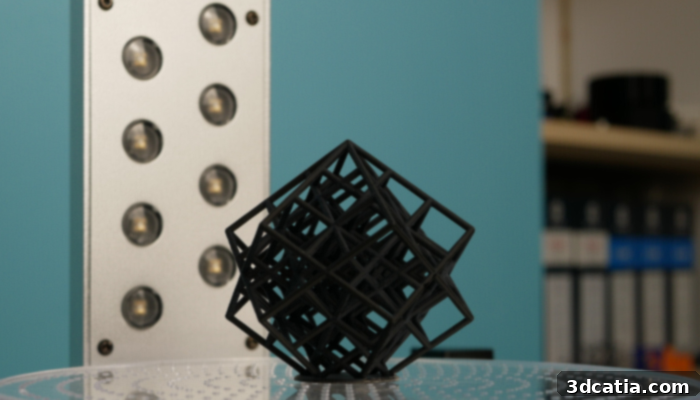
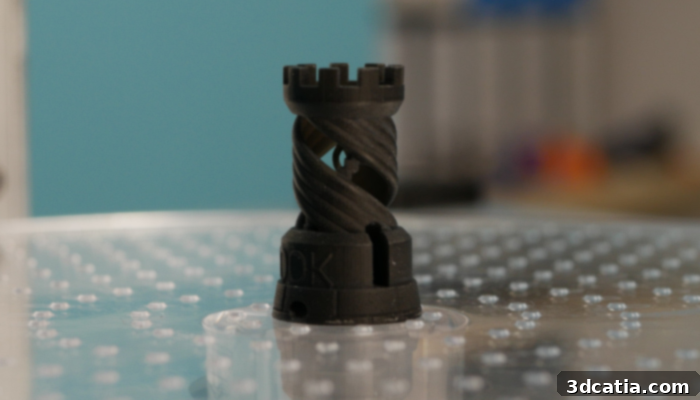
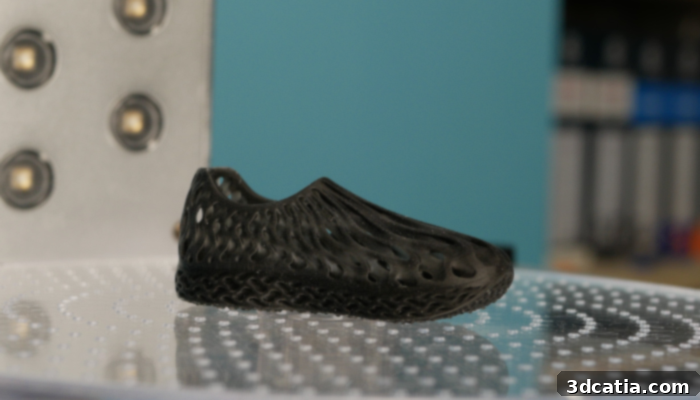
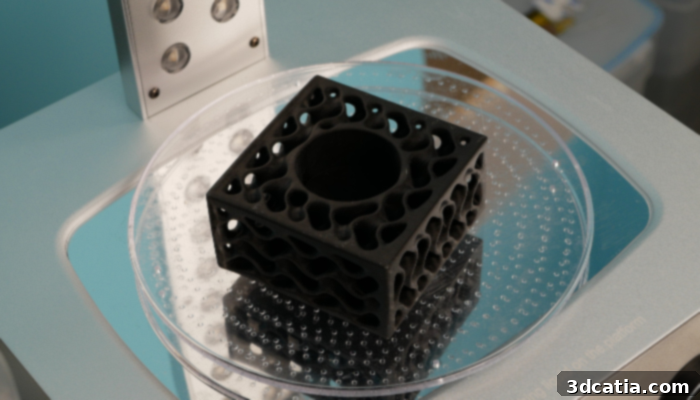
Upon the completion of our inaugural print, we were thoroughly impressed to find a faithfully reproduced part, devoid of any discernible flaws or hitches. This impeccable first result immediately cemented our confidence in the XiP’s ease of use and inherent reliability. Encouraged by this success, we proceeded to print numerous other parts using the xABS3843 resin, each time achieving consistent, high-quality outcomes without encountering any issues. When the time came to switch to a different resin type, the process was remarkably streamlined: we simply emptied and thoroughly cleaned the vat, then inserted a new cartridge, which automatically discharged its contents into the resin tray, preparing the machine for its next task.
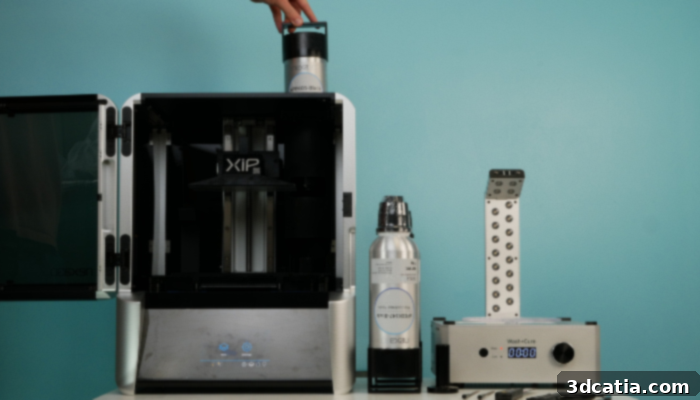
The resin cartridges are inserted into the reserved slot and automatically discharged into the vat
The pre-established default profiles for Nexa3D’s proprietary materials are expertly optimized, allowing for the rapid and reliable printing of a diverse range of models, from intricate prototypes to robust functional parts. This robust material compatibility and consistent performance highlight the XiP as a machine capable of exceptional repeatability across nearly two dozen available materials, catering to a wide array of application requirements. Coupled with its dedicated post-processing machine, the XiP facilitates an easy, efficient, and highly intuitive end-to-end workflow, transforming raw resin into finished parts with remarkable speed and minimal user intervention. To further assist users in mastering this ecosystem, Nexa3D provides a wealth of educational content and resources, ensuring a deep understanding of the system and the specific characteristics of each material.
In terms of material management, the design of the XiP prioritizes simplicity and efficiency. Installing and changing a resin cartridge is notably straightforward: it is simply inserted into its dedicated slot in the machine, where it automatically discharges the resin into the vat. A key feature of these cartridges is their integrated RFID chips, which enable seamless communication with both the 3D printer and the NexaX slicer, automatically adapting slicing parameters to the specific material loaded. However, during our evaluation, we noted that the full potential of these “smart” features appears somewhat under-utilized. For instance, the printer does not provide real-time information on the precise level of resin remaining in the cartridge, which could lead to unexpected print failures if not manually monitored. Moreover, while the cartridges are designed to be reusable, essential material information such as expiration dates or batch numbers cannot be updated, limiting comprehensive material traceability.
If the remaining resin level is not monitored, some prints may fail
Although the XiP is positioned at the upper end of the desktop resin printer market in terms of its initial purchase price, this entry cost is notably offset by a comparatively low cost of consumables—specifically membranes and resins—when compared to other machines in its performance class. This long-term economic advantage makes the XiP a more sustainable investment over its lifespan. Furthermore, the XiP offers compatibility with third-party materials, provided users invest in the premium version of the proprietary slicing software. This flexibility significantly expands the portfolio of compatible resins, allowing users to leverage less expensive alternatives and optimize their operational costs without sacrificing print quality or reliability, making the XiP a versatile and economically sound choice for professional users.

Conclusion: Is the Nexa3D XiP the Right Choice for You?
The Nexa3D XiP stands out as a formidable contender in the professional desktop resin 3D printing market, embodying Nexa3D’s commitment to speed, precision, and a seamless user experience. Its foundation in revolutionary LSPc technology sets it apart, delivering print speeds significantly higher than traditional MSLA systems by mitigating the challenges of layer separation. This makes the XiP an exceptionally productive tool for demanding professionals, designers, engineers, and even dental practitioners who require rapid prototyping or efficient batch production capabilities directly on their desktop.
From the moment of unboxing, the XiP ecosystem presents itself as a premium, thoughtfully designed solution. The robust aluminum construction, intuitive touchscreen interface, and comprehensive accessory kit underscore Nexa3D’s attention to detail and commitment to quality. The installation process is remarkably streamlined, bolstered by factory-set calibration and clear digital guidance, ensuring that users can transition from setup to their first high-quality print with unprecedented ease. The integrated post-processing unit further enhances this efficiency, providing a complete and consistent workflow.
While the proprietary NexaX slicer offers a highly intuitive experience with powerful features for part manipulation and array printing, its current limitations regarding file format compatibility (lacking 3MF support) and occasional performance slowdowns with very complex files are areas where Nexa3D could further refine the user experience. However, the option for a premium subscription that unlocks advanced parameters and third-party resin compatibility provides valuable flexibility for seasoned users and those seeking to optimize material costs.
In terms of performance, the XiP consistently delivers high-fidelity prints with excellent surface finish and accuracy across its extensive range of proprietary materials. The intelligent cartridge system, while lacking real-time resin level monitoring, simplifies material handling and auto-fills the vat, contributing to the overall hands-off operation. Critically, while the initial investment might place the XiP at the higher end of desktop solutions, its low cost of consumables and the ability to utilize more affordable third-party resins with the premium slicer make it a cost-effective choice in the long run.
In summary, the Nexa3D XiP is more than just a 3D printer; it’s a complete, high-speed additive manufacturing ecosystem designed for professionals who demand industrial-grade performance on their desktop. Its blend of innovative technology, robust build quality, user-friendly operation, and cost-effective consumables makes it an ideal choice for accelerating product development, enabling rapid iteration, and producing high-quality functional parts across various demanding industries. For those seeking to push the boundaries of desktop resin printing, the XiP offers a compelling and powerful solution.