
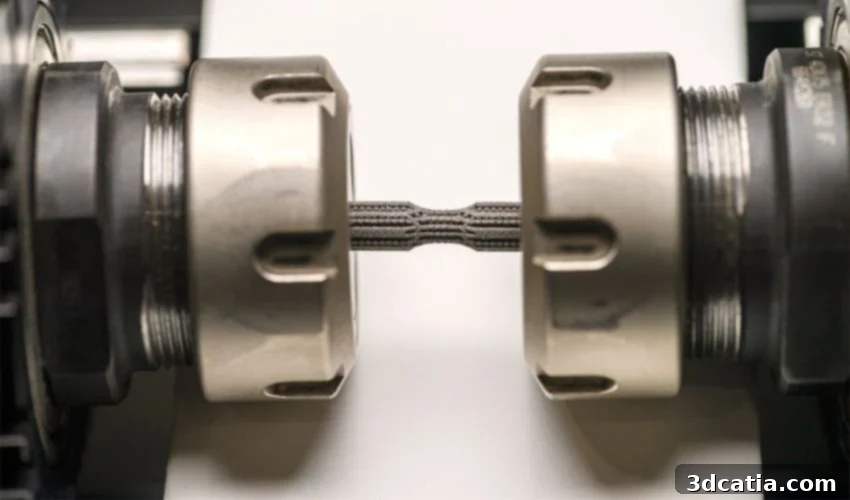
Revolutionizing Medical Implants: WSU’s Antibacterial 3D Printed Metals Combat Post-Surgical Infections
Within the dynamic and continuously evolving field of medical technology, medical 3D printing stands out as a transformative force. Much attention is often given to innovative materials like plastic filaments, advanced photopolymer resins, and silicone technologies, celebrated for their ability to enhance patient comfort, aid in rehabilitation, and create highly customized prosthetics. These materials are crucial for improving the quality of life for countless individuals undergoing various treatments. However, one material category, often pivotal yet sometimes less discussed in the broader narrative, is metal. The integration of metal 3D printing into the medical field is absolutely critical for the fabrication of a vast array of life-changing devices. From intricate surgical implants to durable prosthetic components and essential fixation devices, metals are integral, often remaining within the human body for years, or even a lifetime.
A pervasive and significant challenge with medical implants, regardless of the material, is the inherent risk of the human body’s acceptance or rejection of foreign substances. This can lead to a spectrum of adverse side effects, chronic inflammation, or, most critically, infection. These complications not only compromise patient recovery and well-being but can also necessitate further surgical interventions, imposing substantial burdens on both patients and healthcare systems. Addressing this formidable challenge head-on, researchers at Washington State University (WSU) have made a groundbreaking announcement: their successful testing of a novel 3D printed metal designed to possess naturally antibacterial properties. This remarkable development opens up unprecedented possibilities for the material’s future application in surgical implants, heralding a new era in infection control and patient safety within biomedical engineering.
The Critical Need for Antibacterial Implants
Post-surgical infections related to implants represent one of the most dreaded complications in modern medicine. Despite stringent sterilization protocols and advanced surgical techniques, bacteria can still colonize implant surfaces, leading to biofilm formation. These biofilms are notoriously difficult to treat with conventional antibiotics, often requiring multiple rounds of treatment, extended hospital stays, and, in severe cases, the complete removal and replacement of the infected implant. Such scenarios not only inflict physical and psychological distress on patients but also impose immense financial strain on healthcare systems globally. The economic impact includes costs associated with additional surgeries, prolonged hospitalizations, diagnostic tests, and expensive antibiotic therapies, especially against drug-resistant strains of bacteria. Furthermore, the risk of developing sepsis, a life-threatening complication, increases significantly with implant-related infections, underscoring the urgent need for proactive, preventive solutions.
The current standard metal predominantly used for common surgeries, particularly for large joint replacements like hips and knees, is titanium. While titanium is highly valued for its exceptional strength-to-weight ratio, excellent biocompatibility, and corrosion resistance, enabling its widespread use in the medical industry for nearly half a century, it possesses no inherent major antibacterial properties. This critical limitation means that titanium implants, despite their other benefits, remain susceptible to bacterial colonization and subsequent infection. This susceptibility has frequently led to post-surgery infections due to bacterial buildup on the implant surface, a phenomenon that can manifest both immediately after surgery and several weeks or even months later. In the most severe and unfortunate cases, patients endure the trauma of returning to surgery for the painful removal of the infected implant, followed by a second, equally complex procedure for replacement, prolonging their suffering and recovery period significantly.
WSU’s Breakthrough: A Multifunctional Approach to Infection Control
The innovative solution developed by the WSU research team offers a paradigm shift. Their novel 3D printed metal directly addresses the Achilles’ heel of traditional implants by actively combating bacterial growth. During rigorous testing, this newly engineered material demonstrated an impressive ability to kill 87% of infection-causing bacteria. Crucially, this high antibacterial efficacy was achieved without compromising the implant’s fundamental function or its biocompatibility. The tissue surrounding the implant showed no signs of rejection, a testament to the material’s seamless integration with the human body. This dual achievement – effective bacterial eradication coupled with excellent tissue acceptance – is monumental. The WSU team harbors strong optimism that this development will provide an effective means to control the spread of bacteria during common implant surgeries, drastically improving patient outcomes. Given that the growth of bacteria and subsequent infection during and after these surgeries is a leading cause of implant rejection, materials that are naturally resistant and capable of eliminating harmful bacterial cells hold the promise of dramatically transforming the landscape of implant surgery for the better.
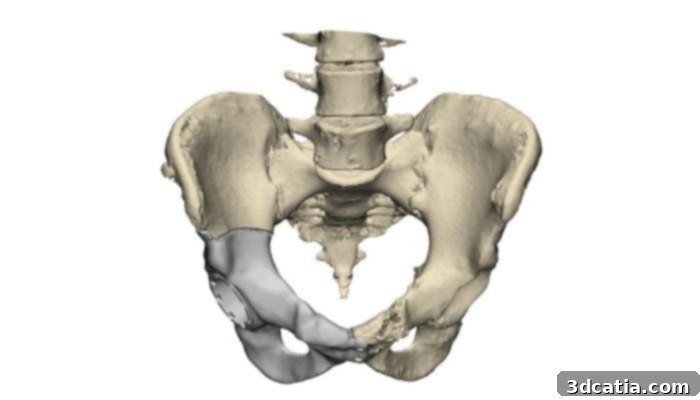
Titanium has been used in traditionally manufactured and 3D printed medical fields. However, its lack of inherent antibacterial properties presents a challenge that new materials aim to overcome. (Photo credits: TrabTech)
The Synergistic Power of Titanium, Tantalum, and Copper
The development of this advanced material was the culmination of over three years of intensive research, during which the WSU team meticulously studied the medical and functional properties of various metallic compositions. The breakthrough came with the creation of a sophisticated metallic conglomerate comprising titanium, tantalum, and copper. Each element plays a distinct yet complementary role in achieving the desired multifunctional properties.
- Copper: This element is the primary agent responsible for the material’s potent antibacterial activity. When bacteria encounter the surface of the metal, the copper ions are released, disrupting bacterial cell membranes, interfering with essential metabolic processes, and ultimately leading to bacterial cell death. The strategic incorporation of copper ensures a localized and inherent defense against microbial colonization, mitigating the need for systemic antibiotic drugs that can lead to resistance and side effects.
- Tantalum: Known for its exceptional biocompatibility and superior resistance to corrosion, tantalum is a critical component for the long-term integrity and performance of the implant within the challenging physiological environment of the human body. Beyond its protective qualities, tantalum also plays a crucial role in promoting osteointegration. It encourages the connection and growth of surrounding bone cells and tissue into the implanted area, fostering a more stable and robust integration of the implant with the patient’s skeletal structure. This reduces the risk of loosening and improves the longevity of the implant.
- Titanium: While not inherently antibacterial, titanium forms the foundational matrix for this advanced alloy, leveraging its well-established biomechanical properties, strength, and biocompatibility that have made it a staple in orthopedics for decades. Its presence ensures the implant retains the necessary mechanical stability and structural support required for load-bearing applications.
The carefully balanced combination of these three metals creates a synergistic effect, resulting in an implant material that is not only strong and biocompatible but also actively antibacterial and promotes tissue regeneration. This innovative composite design eliminates the need for patients to ingest supplemental antibiotic drugs, thereby circumventing the risks associated with antibiotic resistance and reducing the overall pharmacologic burden on the body. This breakthrough truly embodies a proactive approach to medical implant design, shifting from post-infection treatment to inherent infection prevention.
Voices from the Research Team
The vision behind this pioneering research is articulated by the brilliant minds leading the charge. Professor Amit Bandyopadhyay, a distinguished researcher and one of the principal authors of the research paper, emphasizes the fundamental shift in strategy: “We need to find something where the device material itself offers some inherent resistance – more than just providing drug-based infection control. Here’s what we’re saying, why not change the material itself and have inherent antibacterial response from the material itself?” This statement underscores the commitment to designing materials that are intrinsically resistant to infection, moving beyond the reactive approach of traditional antibiotic treatments.
Echoing this sentiment, fellow co-author Professor Susmita Bose highlights the dual advantage of their innovation: “The biggest advantage for this type of multifunctional device is that one can use it for infection control as well as for good bone tissue integration. Because infection is such a big issue in today’s surgical world, if any multifunctional device can do both things, there’s nothing like it.” Professor Bose eloquently captures the profound impact of a material that can simultaneously prevent infection and foster seamless integration with bone tissue, addressing two of the most critical challenges in implant surgery with a single, elegant solution. This holistic approach promises to significantly enhance patient safety, accelerate recovery, and improve the long-term success rates of implant procedures worldwide.
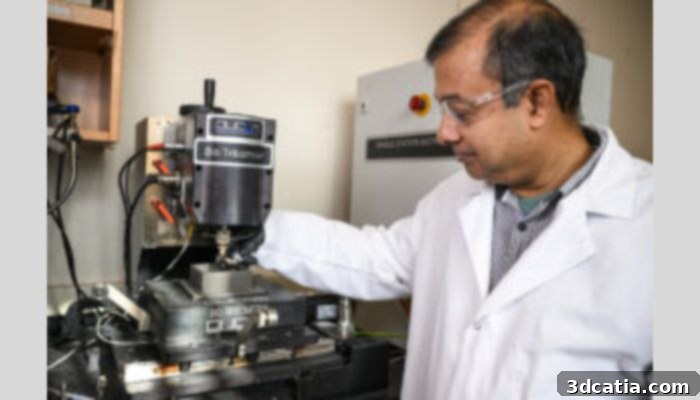
Professor Bandyopadhyay, a lead researcher at WSU, is part of the dedicated team refining the development and properties of the antibacterial 3D printed metal. Their work promises a new standard in medical implant safety. (Photo credits: WSU Photo Services)
The Road Ahead: From Lab to Long-Term Clinical Application
While the initial results are incredibly promising, the research into this 3D printed, bacteria-resistant metal is still vigorously ongoing. The ambitious WSU team is not resting on its laurels; they are actively working to further enhance the antibacterial properties of the metal, aiming to increase its efficacy from an already impressive 87% to an even more robust 99%. This relentless pursuit of excellence is driven by the desire to offer the highest possible level of protection against implant-related infections. Beyond optimizing the material’s bacterial killing capabilities, a crucial next step involves extensive testing of its viability and durability for real-world, long-term use. This will include comprehensive *in vitro* studies simulating physiological conditions, followed by rigorous *in vivo* animal trials to assess the material’s performance over extended periods within a living system. These tests will evaluate factors such as corrosion resistance, mechanical stability under physiological loads, and sustained antibacterial activity, ensuring that the material maintains its integrity and efficacy for patients who may potentially be fitted with these revolutionary implants for decades.
The potential applications of such advanced antibacterial 3D printed metals extend far beyond hip and knee replacements. Imagine a future where dental implants, spinal fusion devices, bone screws, and even complex cardiovascular stents are inherently resistant to bacterial colonization. This innovation could dramatically reduce complications across a wide spectrum of surgical specialties, improving patient quality of life and significantly alleviating the burden on healthcare systems. While challenges remain, including navigating complex regulatory pathways, scaling up manufacturing processes for clinical production, and conducting extensive human trials, the groundwork laid by the WSU team marks a significant leap forward. Their pioneering work promises to transform medical implant technology, paving the way for a future where post-surgical infections become a relic of the past, replaced by safer, more effective, and inherently protected medical devices. You can learn more about the cutting-edge research being done by the dedicated team at WSU by clicking HERE.
What are your thoughts on the development of antibacterial metals for surgical implants? We invite you to share your perspectives in a comment below or join the conversation on our LinkedIn, Facebook, and Twitter pages! Don’t forget to sign up for our free weekly Newsletter here, bringing the latest 3D printing news straight to your inbox! You can also find all our compelling videos on our YouTube channel, offering deeper insights into the world of additive manufacturing.
*Cover photo credits: WSU Photo Services