
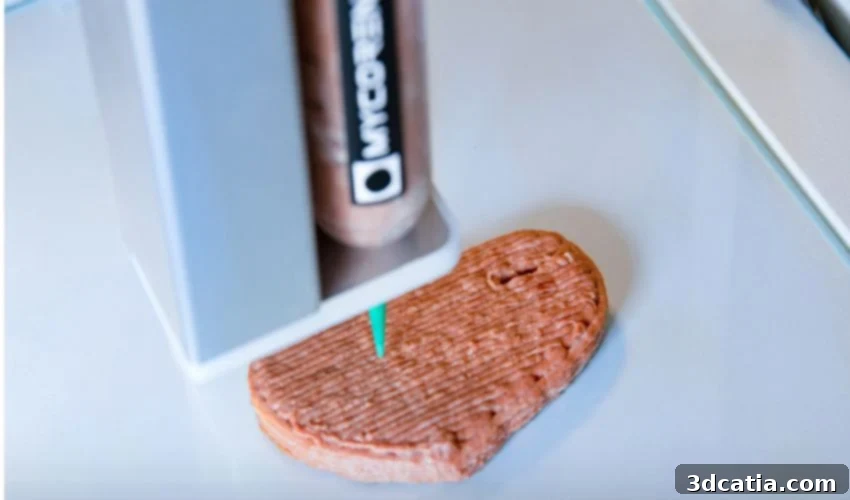
Revolutionizing Plant-Based Food: Revo Foods and Mycorena Pioneer 3D Printed Mycoprotein Alternatives
In recent years, the global dietary landscape has experienced a significant shift. While meat has historically been a cornerstone of meals across diverse cultures, an evolving consciousness around health, sustainability, and ethics is transforming consumption patterns. Statistics from the United States, for instance, reveal a projected decrease in per capita red meat and poultry consumption in 2022, signaling a broader trend. This pivot is further evidenced by the surging demand for innovative meat and fish substitutes, indicating a societal move towards more sustainable and plant-forward eating habits. Leading this charge in technological innovation is Revo Foods, an Austrian trailblazer that has harnessed the power of 3D printing to create exquisite plant-based seafood. Notably, Revo Foods achieved a significant milestone by being the first to introduce 3D-printed salmon and tuna to the market. The widespread availability of these pioneering products in over 3,000 stores across Europe underscores the growing consumer appetite and urgent market need for high-quality, convincing meat and fish alternatives. Recognizing a shared vision and complementary strengths, Revo Foods has now forged a strategic partnership with Mycorena, a Swedish food tech company, aiming to push the boundaries of plant-based innovation even further.
Mycorena, established in 2017, has rapidly distinguished itself as a leader in sustainable food technology. Their core mission revolves around leveraging advanced mushroom biotechnology to produce vegan proteins for consumption, all while adhering to highly sustainable and resource-efficient processes. This dedication to environmental responsibility and cutting-edge science positions Mycorena as an ideal partner for Revo Foods. The collaboration is specifically geared towards accelerating research and development into the application of mycoprotein within the burgeoning field of 3D food printing. This innovative approach promises to unlock new frontiers for seafood consumption, offering consumers unprecedented alternatives that are both delicious and environmentally friendly. By combining Revo Foods’ expertise in 3D food printing with Mycorena’s groundbreaking mycoprotein technology, the partnership is poised to deliver a new generation of plant-based products that closely mimic the sensory experience of traditional animal-based foods, thereby facilitating wider adoption and positive impact.

Revo Foods, in collaboration with Mycorena, is pioneering vegan salmon and tuna using advanced 3D printing technology (photo credits: Revo Foods)
Sustainable and Delicious Vegan Meat and Fish Alternatives Powered by 3D Printing and Mycoprotein
The ambitious research and development project undertaken by Mycorena and Revo Foods extends beyond seafood to encompass a broader spectrum of plant-based innovations. Their work is set to revolutionize not only vegan seafood but also sliced meat alternatives. This extensive applicability is largely thanks to the remarkable characteristics of mycoprotein, which naturally possesses meat-like properties, coupled with the unparalleled versatility of 3D printing technology that allows for the creation of intricate and diverse shapes. The synergistic combination of these elements promises to unlock an entirely new product segment within the plant-based market. These novel products will closely replicate the textural and structural complexity of traditional meats, yet they will be crafted entirely through the precision of 3D printing. This innovation addresses a crucial challenge in the plant-based sector: delivering alternatives that genuinely satisfy consumer expectations in terms of mouthfeel, appearance, and culinary application, moving beyond simple substitutes to genuinely compelling alternatives.
The long-term vision driving this partnership is profound: to significantly diminish the perceived differences between animal-based and plant-based or vegan products. By achieving this, the collaborators aim to foster greater societal acceptance and mainstream adoption of meat and fish alternatives. A key characteristic of these forthcoming products is their soft, fibrous texture, a direct benefit of the printable mycoprotein, which also contributes to a light, appealing color and a remarkably neutral taste. This combination of attributes makes mycoprotein an exceptional foundation for creating truly convincing and versatile meat- and fish-free options. Paulo Teixeira, CIO at Mycorena, articulated the company’s enthusiasm: “We have always been interested in food 3D printing and saw that creating a printable mycelium material would probably open doors to creating amazing, unique products. With this technology, the possibilities for texture and form are on another level compared to current meat analogues, being restricted only by imagination, not processing methods.” This statement highlights the transformative potential of mycoprotein in overcoming the limitations of existing plant-based alternatives, offering unparalleled creative freedom in product development.
Revo Foods shares this optimistic outlook on the partnership with Mycorena and the potential of 3D printing in advancing vegan product development. Robin Simsa, CEO of Revo Foods, commented on the significance of this collaboration: “Mycoprotein is a very interesting ingredient for vegan seafood alternatives, however, we were previously limited in using it in our proprietary 3D food printing process as the fibrous behavior was altered. With this new collaboration with Mycorena, we see huge potential to develop the printable mycoprotein further, which can lift meat/seafood alternatives to the next quality level, necessary for large-scale consumer adoption.” Simsa’s remarks underscore the crucial role this partnership plays in refining the printability of mycoprotein, addressing previous technical hurdles, and ultimately enhancing the sensory quality of plant-based alternatives to meet the high standards required for widespread consumer acceptance. This collaboration represents a critical step towards scaling up production and making these innovative products accessible to a broader audience, paving the way for a more sustainable food future.
Beyond the immediate benefits of texture and taste, 3D printed food offers a multitude of additional advantages that contribute to a more efficient and sustainable food system. One significant benefit is the potential for optimized storage space, as products can be produced on an as-needed basis, minimizing waste and logistical complexities. Furthermore, the realistic sensory characteristics achieved through precise 3D printing techniques result in a superior mouthfeel, enhancing the overall dining experience and bridging the gap with traditional animal products. The ingredients themselves, particularly mycoprotein, are considered exceptionally promising due to their nutritional profile and sustainable production methods. Kristina Karlsson, R&D Manager at Mycorena, expressed her excitement about the collaboration: “We are very excited to finally reveal our collaboration with Revo Foods. We believe we will create some truly unique products here, making it easy for consumers to enjoy delicious seafood in a healthy and sustainable way.” This joint effort signifies a commitment to not only culinary innovation but also to promoting healthier lifestyles and environmental stewardship. For those eager to delve deeper into the specifics of this groundbreaking partnership and its implications for the future of food, additional information is available by clicking HERE.
The potential impact of this collaboration between Revo Foods and Mycorena on the food industry is immense. By perfecting 3D printable mycoprotein, they are addressing some of the most pressing challenges facing plant-based food today: achieving truly authentic textures, offering versatile product forms, and ensuring scalability for mass market appeal. This innovative approach promises to accelerate the transition towards a more sustainable global food system, providing consumers with compelling, ethical, and environmentally friendly choices that do not compromise on taste or experience. The fusion of biotechnology and advanced manufacturing heralds a new era for food production, where creativity, precision, and sustainability converge to redefine what’s possible on our plates. This partnership is not just about new products; it’s about pioneering a new paradigm for how we conceive, produce, and consume food in the 21st century and beyond.
What are your thoughts on the groundbreaking creation of vegan food using advanced 3D printing technology? We invite you to share your perspectives in a comment below or join the conversation on our LinkedIn,Facebook, andTwitter pages! Don’t forget to sign up for our free weeklyNewsletter here to receive the latest 3D printing news directly in your inbox! You can also explore all our insightful videos on ourYouTube channel for more visual content and updates on this exciting industry.
*Cover Photo Credits: Mycorena