
The Year That Shaped the Future: A Comprehensive Review of 3D Printing and Additive Manufacturing in 2018
The year 2018 was truly monumental for the additive manufacturing and 3D printing industry, marked by rapid innovation, significant market growth, and an expanding array of groundbreaking applications across diverse sectors. From technological advancements unveiled at major industry events to strategic corporate announcements and pioneering uses in everything from healthcare to fashion, 3D printing continued its trajectory from niche technology to a mainstream manufacturing powerhouse. This comprehensive recap delves into the key highlights, new product launches, critical strategic shifts, and innovative implementations that collectively defined a vibrant and transformative year for the global additive manufacturing landscape. Whether you’ve been closely tracking the industry or are looking for a concise yet thorough update, join us as we revisit the moments that propelled 3D printing forward in 2018.
January: CES 2018 Kicks Off a Year of Additive Manufacturing Innovations
The new year traditionally begins with the Consumer Electronics Show (CES) in Las Vegas, and 2018 was no exception, serving as an exciting launchpad for new developments in 3D printing technology. The premier technology showcase offered attendees a sneak peek at cutting-edge 3D printers from both established players and emerging innovators. Giants like KODAK and Polaroid showcased their latest offerings, signaling a continued interest in making 3D printing more accessible, while specialized firms such as Nexa3D, AirWolf, Dobot, and XYZprinting unveiled new machines that promised enhanced capabilities, speed, and precision for a variety of users, from hobbyists to professionals. This influx of new hardware underscored the industry’s dynamic drive towards greater versatility and user-friendliness.

Rocket Lab took off with its 3D printed rocket
January also saw the renowned SmarTech Publishing firm release a significant study on the burgeoning potential of 3D printing within the dental sector. Their analysis projected the dental 3D printing market to reach an impressive $9.5 billion by 2027, highlighting how additive manufacturing’s ability to create highly customized, precise, and biocompatible prosthetics, aligners, and surgical guides was fundamentally transforming dental practices worldwide. This forecast emphasized the immense economic opportunity and disruptive power of 3D printing in specialized medical fields.
Beyond exhibitions and market analyses, the month delivered tangible proof of additive manufacturing’s capabilities with Rocket Lab successfully launching a rocket featuring vital 3D printed components. This achievement underscored the technology’s critical role in aerospace, where lightweight, complex parts manufactured with speed and precision can significantly enhance performance and reduce costs. Simultaneously, the Dutch company CEAD captured attention by presenting an intriguing concept for a very large-format 3D printer, specifically designed for the demanding requirements of shipbuilding. This innovation pointed towards the potential for additive manufacturing to revolutionize heavy industries by enabling on-demand production of large, complex structures with greater material efficiency.
February: Exploring Wage Growth and Automation in the 3D Printing Sector
February brought fascinating insights into the human and economic aspects of the 3D printing industry. Amidst the excitement of the PyeongChang Winter Olympics, we highlighted Athletics 3D, an innovative startup leveraging Zeiss and Zortrax 3D technologies to create custom equipment for biathlon athletes. This application demonstrated how additive manufacturing was pushing the boundaries of sports performance, enabling the creation of tailored gear that offers superior fit, comfort, and aerodynamic advantages, directly impacting an athlete’s success.
The month also saw the publication of two pivotal studies that illuminated future trends in the additive manufacturing workforce and market. One report focused on the increasing automation within additive manufacturing, projecting this segment alone to represent a colossal $11.2 billion market by 2027. This forecast emphasized the growing integration of robotics, AI, and smart systems to streamline the 3D printing workflow, from design to post-processing, thereby increasing efficiency and scalability for industrial applications. The second study revealed encouraging news for professionals in the field, predicting an annual wage increase of at least 9% in 2018 for 3D printing roles. This surge in compensation reflected the high demand for specialized skills and expertise in a rapidly evolving technological domain, signaling strong career prospects and a maturing job market within additive manufacturing.

March: Hollywood Embraces Additive Manufacturing for Cinematic and Cosmetic Innovation
March proved that 3D printing was not just for industrial applications but also a powerful tool for artistic expression and consumer product enhancement. One of the year’s most visually stunning 3D creations was attributed to Julia Körner, the visionary stylist behind the majestic costumes for the blockbuster film “Black Panther,” which premiered in March. Körner masterfully utilized 3D printing, specifically laser sintering machines, to craft intricate, unique pieces that perfectly blended futuristic aesthetics with traditional African-inspired designs, showcasing additive manufacturing’s unparalleled ability to bring complex and imaginative designs to life on the silver screen. This high-profile application solidified 3D printing’s role in the entertainment industry, offering unprecedented creative freedom.
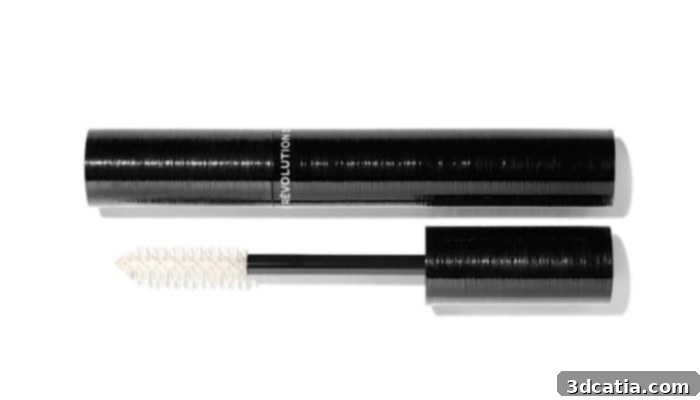
In a completely different yet equally innovative realm, the luxury brand Chanel unveiled a mascara featuring a revolutionary 3D printed brush. The key advantage of this design lay in its microcavities, precisely engineered through additive manufacturing, which could absorb and deliver the optimal dose of makeup. This not only ensured a homogeneous distribution of mascara on the eyelashes but also demonstrated how 3D printing could enhance product functionality and user experience in the highly competitive cosmetics industry, offering a level of precision and customization previously unattainable with traditional manufacturing methods.
April: A Shift in the 3D Printer Market and Culinary Frontiers
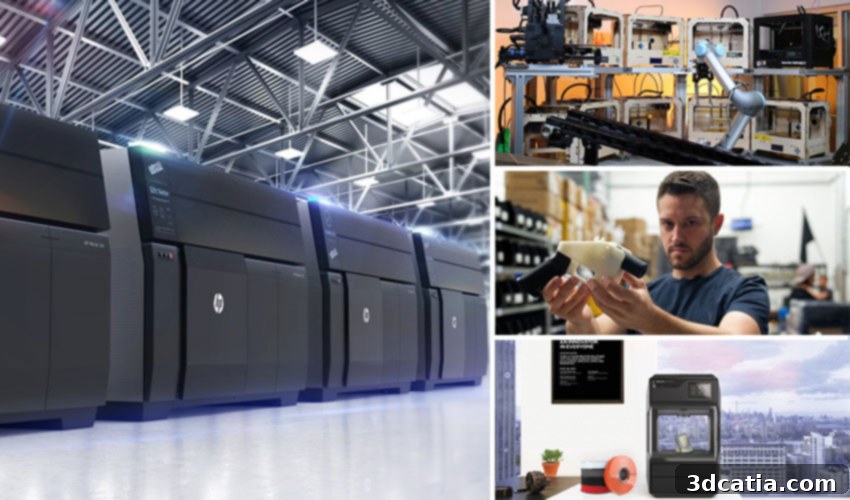
April brought highly anticipated market insights with the release of CONTEXT’s 3D printer sales record, revealing a notable shift in the competitive landscape. For the first time, HP emerged as the leader in the professional machine market, a significant milestone that underscored its aggressive expansion and investment in industrial additive manufacturing solutions. This achievement highlighted HP’s successful strategy in targeting high-end applications and cementing its position among industry titans. Meanwhile, the Taiwanese manufacturer XYZprinting maintained its robust leadership in the desktop 3D printer segment for the second consecutive year, demonstrating the sustained popularity and accessibility of personal 3D printing for education, small businesses, and hobbyists worldwide.
Innovations in hardware continued with manufacturer Ultimaker announcing the arrival of its latest generation of 3D printers, the S5. This double extrusion machine was designed to set a new benchmark in the desktop FDM (Fused Deposition Modeling) market, offering enhanced reliability, larger build volume, and greater material compatibility, making it a powerful tool for engineers and designers. The month’s other groundbreaking news came from the startup Byflow, which opened the world’s first 3D printed restaurant in Wolvega, Netherlands. This culinary venture showcased the exciting potential of food 3D printing, where personalized dishes and intricate food designs could be created layer by layer, offering a novel gastronomic experience and hinting at future possibilities for customized nutrition and innovative dining concepts.
May: HP Enters Metal Additive Manufacturing and Innovative Product Design
May was a pivotal month, most notably for HP’s highly strategic announcement of its official entry into metal additive manufacturing. This move signaled a significant challenge to existing players in what was already a buoyant but increasingly competitive market. Metal 3D printing offers immense potential for producing strong, complex, and lightweight parts for industries like aerospace, automotive, and medical. Following this initial declaration, HP later unveiled details of its future process, dubbed HP Metal Jet, and outlined plans for the first machine deliveries to commence by 2020, positioning itself as a formidable force in the industrial metal 3D printing space.
Beyond strategic corporate maneuvers, May also brought a compelling demonstration of 3D printing’s potential for innovative product design: the German manufacturer BigRep unveiled a puncture-proof bike tire created using additive manufacturing. This ingenious application highlighted the technology’s capability to produce structures with unique internal geometries that conventional methods simply cannot replicate. The tire’s design showcased how 3D printing could lead to products with enhanced functionality, durability, and user benefits, opening up new avenues for product development in consumer goods and transportation.
June: Advancements in Medical Applications and Material Consumption Trends
June underscored the profound impact of additive manufacturing on the medical field, alongside shedding light on material consumption trends. English researchers achieved a remarkable feat by successfully reproducing corneas through 3D printing, in collaboration with the startup Cellink. This groundbreaking advance holds the potential to revolutionize current transplant procedures, offering a viable solution for millions suffering from corneal blindness by creating custom, biocompatible tissues on demand. This represents a significant step towards personalized medicine and regenerative therapies.
Further demonstrating 3D printing’s utility in healthcare, the company NuVasive revealed its innovative use of additive manufacturing to create spine implants. These implants are meticulously designed to mimic the natural properties of human bone, fostering better integration and recovery for patients. The ability to produce porous and customized geometries through 3D printing allows for enhanced bone growth and improved patient outcomes, showcasing the technology’s role in developing next-generation medical devices.
Finally, a comprehensive study conducted by the Filaments.Directory site provided valuable insights into the consumption habits of filaments for 3D printers. The report illuminated trends in the most commonly used materials, such as PLA, ABS, and PETG, and their prevalent applications. Understanding these material preferences and usage patterns is crucial for manufacturers, researchers, and consumers, as it guides the development of new materials and helps optimize printing processes across the industry.
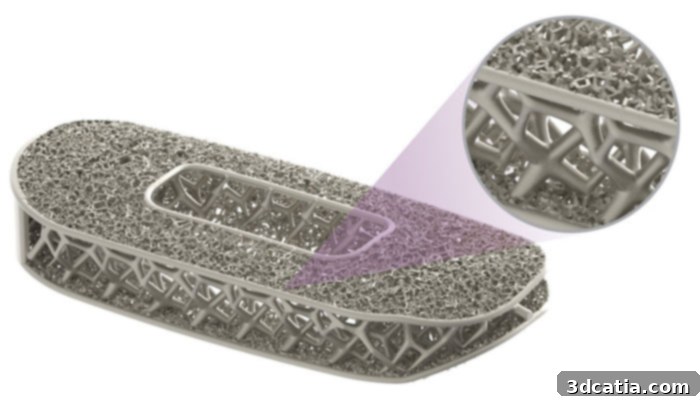
A 3D printed implant by NuVasive
July: Surging Market Expenditures and Breakthroughs in Bioprinting
July brought optimistic financial projections and remarkable medical advancements, solidifying 3D printing’s expanding influence. A study by IDC forecasted substantial growth in European expenditures on 3D printers, materials, software, and services, estimating a rise from $3.6 billion in 2018 to a staggering $7.4 billion by 2022. This robust growth prediction underscored the increasing adoption of additive manufacturing across various European industries, indicating strong market confidence and a widening scope of applications.
Adding to the positive news, the Yonsei University Health System in South Korea announced the commercialization of its first artificial 3D printed eye, following three intensive years of research. This extraordinary innovation has the potential to aid up to 60,000 Koreans, offering hope to those suffering from eye conditions that previously had no effective treatment. The success of this project highlights the incredible progress in bioprinting and the promise of creating patient-specific organs and tissues, marking a significant step towards revolutionary healthcare solutions.
In a distinctly different application, the American industrial giant General Electric (GE) filed a groundbreaking patent to combine additive manufacturing with Blockchain technologies. This strategic move aimed to protect the manufacture of its 3D models, ensuring intellectual property security and traceability throughout the supply chain. By leveraging Blockchain, GE sought to create an immutable record of design and production, safeguarding against counterfeiting and unauthorized replication of sensitive industrial designs—a crucial development for maintaining trust and integrity in a digital manufacturing ecosystem.
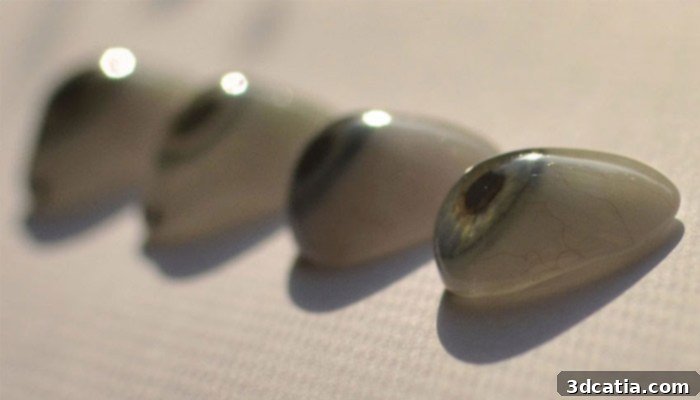
South Korea progresses on 3D printing of eyes
August: Amazon Enters 3D Printing Materials Market and Content Moderation Challenges
August saw the e-commerce titan Amazon make a bold move, officially launching its AmazonBasics range into the 3D printing market. This strategic entry brought several common materials, including ABS, PLA, and PETG, available in various colors and offered at an aggressively competitive price of just $19.99 per 1 kg reel. Amazon’s foray into 3D printing filaments sent ripples through the industry, putting pressure on existing manufacturers and significantly increasing the accessibility of materials for a broader consumer base. This move underscored the growing mainstream appeal of 3D printing and the increasing commoditization of basic materials.
Another major tech player, Facebook, also made headlines in August by taking steps to ban the sharing of 3D weapon files on its platform. This decision came amidst heightened debates surrounding the legality and ethical implications of easily accessible digital files for manufacturing firearms. Facebook implemented measures to block links to known sites hosting such files, demonstrating a proactive stance on content moderation concerning potentially harmful 3D printable designs. While acknowledging the complexity of fully regulating such content, this action marked an important step in recognizing the societal responsibilities associated with emerging manufacturing technologies and digital content sharing.
September: Exploring Green 3D Printing and Advanced Fabrication Techniques
September brought forth a diverse array of innovative developments, highlighting both cutting-edge fabrication techniques and a critical examination of 3D printing’s environmental footprint. Researchers at Harvard University unveiled a fascinating new 3D printing technique utilizing acoustic levitation. This acoustophoretic method allowed them to precisely manipulate and form shapes from a multitude of materials, including optical resins and liquid metals, without physical contact. This scientific breakthrough offered unprecedented control over material deposition and opened doors for printing with highly sensitive or viscous substances, pushing the boundaries of what’s possible with additive manufacturing.
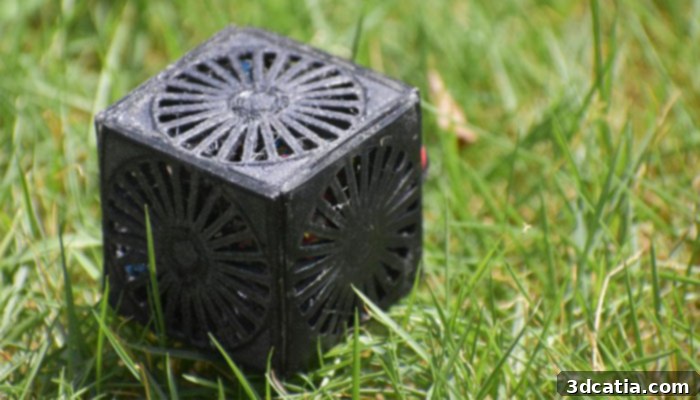
The mini 3D printed satellite
Meanwhile, Indian students from Hindustan University garnered attention by designing an ultra-light 3D printed satellite for a competition organized by NASA. This project demonstrated the significant advantages of 3D printing in aerospace applications, particularly for producing lightweight, structurally optimized components that can withstand extreme conditions while minimizing fuel consumption for launch. This initiative showcased the talent of emerging engineers and the global reach of additive manufacturing’s influence.
Significantly, September was also the month the Journal Of Industrial Ecology published a crucial study on the environmental impact of 3D printing. This comprehensive research provided a holistic vision of the technology, considering every component of additive manufacturing, from the raw materials used to energy consumption during printing and eventual waste management. This type of detailed analysis, though still rare, is vital for assessing 3D printing’s true sustainability profile and guiding efforts towards making it a truly “green technology” by promoting responsible practices and material innovation. It offered a nuanced perspective beyond the often-touted material efficiency benefits.
October: Introducing the World’s Largest 3D Printer and Industry Applications
October delivered news of monumental scale with the presentation of WHAM (Wide and High Additive Manufacturing) by manufacturer Ingersoll Machine Tools and the Oak Ridge National Laboratory (ORNL). This colossal machine boasted a gigantic print volume of 7 x 3 x 14 meters, making it one of the largest 3D printers in the world. Based on advanced filament extrusion technology, WHAM’s introduction signified a major leap in additive manufacturing’s capability to produce extremely large-scale structures for industries such as aerospace, automotive, and construction, where components of unprecedented size could now be rapidly manufactured.
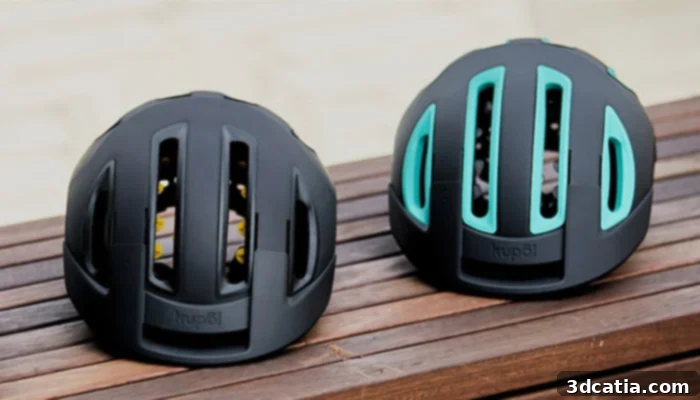
Closer to consumer products, we learned about Kupol, a young Canadian startup that began producing innovative bike helmets. These helmets featured a unique modular design and were predominantly 3D printed, specifically utilizing PA12 material from HP 3D printers. This showcased how additive manufacturing enables advanced customization, improved safety features through complex lattice structures, and more efficient production tailored to individual needs in the sports equipment industry.
In a move echoing Etihad Airways’ earlier initiatives, Lufthansa announced the opening of its first additive manufacturing center. This dedicated facility focused on the production and repair of parts for its aircraft, highlighting the growing recognition among major airlines of 3D printing’s potential to streamline maintenance operations, reduce lead times for spare parts, and improve the overall efficiency and cost-effectiveness of aircraft operations. This marked another significant stride towards the industrial adoption of additive manufacturing in mission-critical applications.
November: Formnext Highlights and Industrial Adoption Milestones
As the year neared its end, November brought a fascinating glimpse into the future of food and the annual pinnacle of additive manufacturing events. Giusseppe Scionti of the Polytechnic University of Catalonia unveiled his ambitious project: a vegetable 3D printed steak. Designed to mimic the appearance and texture of real meat, Scionti’s creation aimed to offer a sustainable and ethical alternative to industrial animal farming, sparking conversations about the role of technology in addressing global food challenges and promoting plant-based diets. Would you be ready to taste this innovative approach to protein?
However, November is most eagerly anticipated by additive manufacturing stakeholders for Formnext, one of the world’s largest and most influential exhibitions dedicated to the technology. Formnext 2018, held in Frankfurt, served as a vibrant showcase for over 500 exhibitors, presenting the latest innovations, materials, and applications. The 3Dnatives team was on the ground, delivering comprehensive coverage of the “10 innovations that should not be missed,” confirming Formnext’s status as the ultimate barometer for industry trends and future directions. Key themes included increased automation, advanced material development, and broader industrial integration.
Adding to the month’s impressive roster of achievements, the renowned BMW car manufacturer proudly announced a significant milestone: reaching one million 3D printed parts. This achievement underscored BMW’s deep integration of additive manufacturing into its production processes, from prototyping to final components, signaling the technology’s maturity and reliability within the demanding automotive sector. Concurrently, the Solar Voyager electric vehicle embarked on its journey to Antarctica, equipped with numerous 3D printed components. This demonstrated additive manufacturing’s vital role in creating custom, durable, and lightweight parts essential for vehicles operating in extreme environments, where reliability and performance are paramount.
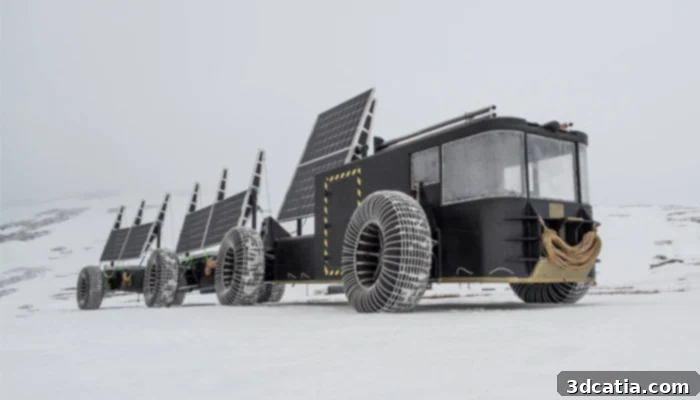
The Solar Voyager took the road to Antarctica
December: Market Valuation Reaches $9.3 Billion and Bold New Product Launches
December capped off an extraordinary year with significant market reports and a high-stakes product launch. MakerBot, an American pioneer in desktop 3D printers, which had faced challenges following the launch of its previous generation of machines, attempted a strategic comeback. The company introduced a new extruder machine called “The Method,” priced at $6,499. This move was widely seen as a risky but calculated bet to regain its reputation and market share by targeting professional users with a more robust and reliable system, blending industrial features with desktop accessibility. The industry watched closely to see if this new offering would restore MakerBot’s former glory.
In a testament to the structural capabilities of large-scale additive manufacturing, the Chinese company SMCC, in partnership with materials manufacturer Polymaker, inaugurated a 3D printed bridge. Spanning over 15 meters in length and weighing a substantial 5.8 tons, this engineering marvel required nearly 30 days of continuous printing. This technical feat showcased the immense potential of additive manufacturing in civil engineering and construction, demonstrating the feasibility of rapidly fabricating complex, durable structures with unprecedented efficiency and design freedom, paving the way for future infrastructure projects.
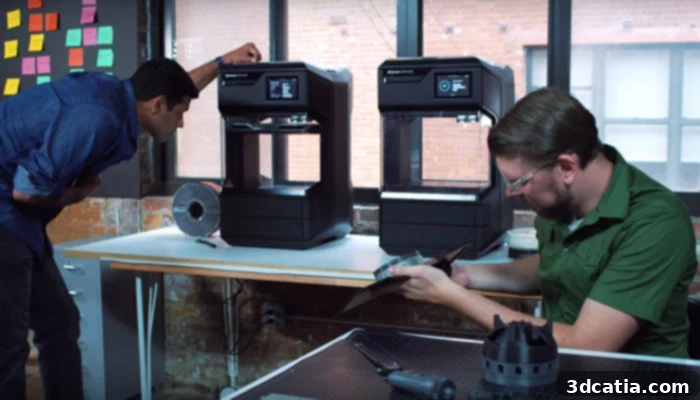
The MakerBot Method
To conclude the year on a high note, SmarTech Publishing released a pivotal study confirming the robust growth of the additive manufacturing market. The report revealed that the global market, encompassing the sale of machinery, materials, and related services, had surged by an impressive 18% year-over-year, reaching a total valuation of $9.3 billion in 2018. This significant growth firmly established 2018 as a landmark year for the industry, setting an optimistic tone and predicting even more remarkable advancements for 2019 and the years to come. The figures underscored the technology’s increasing maturity, industrial adoption, and undeniable impact across various sectors.
Reflecting on these diverse and impactful developments, 2018 stands out as a pivotal year that truly shaped the future of 3D printing and additive manufacturing. From unprecedented market expansion and innovative product launches to groundbreaking applications in medicine, aerospace, and consumer goods, the industry demonstrated its dynamic capability to transform how we design, produce, and interact with the physical world. The advancements of this year laid a robust foundation for continued innovation and widespread adoption in the decade that followed.
What developments in additive manufacturing in 2018 struck you the most? We invite you to share your thoughts in a comment below or join the conversation on our Facebook and Twitter pages! Don’t forget to sign up for our free weekly Newsletter to stay updated with all the latest news in 3D printing, delivered directly to your inbox!