
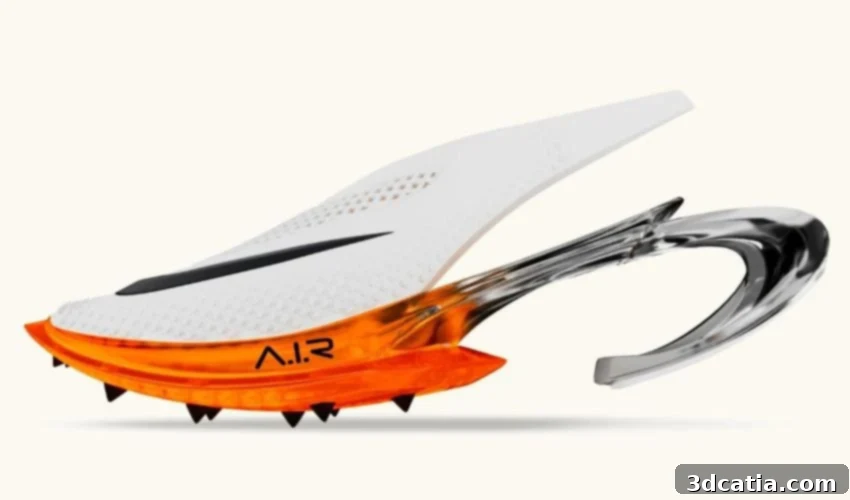
Nike A.I.R.: The Future of Personalized Performance Footwear Powered by AI and 3D Printing
Imagine a shoe that transcends conventional design, a footwear marvel intricately woven with the unique tapestry of an individual’s identity and athletic aspirations. What if a sneaker could reflect the nuanced personalities of elite athletes – from the focused marathon runner to the dynamic basketball star, the strategic tennis player, or the powerful soccer striker? This ambitious vision is precisely what Nike has pursued with its groundbreaking A.I.R. project. The objective was clear: to seamlessly integrate the distinctive styles, personal narratives, and exacting athletic requirements of 13 sponsored top athletes into a series of individual shoe designs, each a testament to unparalleled customization. Achieving this audacious goal was a collaborative effort, relying heavily on the ingenuity of Nike’s design teams, the invaluable input from the athletes themselves, and the deployment of advanced technological tools. By harnessing sophisticated algorithms, cutting-edge artificial intelligence, and the transformative power of 3D printing, Nike meticulously developed highly personalized prototypes for each athlete’s distinctive footwear. These innovative creations, embodying a new era of sports technology and design, were prominently showcased at the exclusive Nike On Air event held on April 11 at the prestigious Palais Brongniart in Paris, captivating an audience eager to glimpse the future of athletic performance.
Building upon the illustrious legacy of the iconic Nike Air, a technology that has stood as a symbol of continuous innovation and performance enhancement within the brand for nearly five decades, Nike A.I.R. takes this concept to unprecedented heights. The renowned sporting goods manufacturer boldly asserts that it is currently crafting its most audacious and deeply personalized shoe designs to date. This project represents a profound fusion of advanced AI technology, precision 3D printing, visionary design principles, and artisanal craftsmanship. The brand seamlessly blends these cutting-edge methodologies with its established practices, aiming not merely to encapsulate the current zeitgeist of athletic innovation, but to decisively define and embody the very spirit of the future of footwear. A.I.R. signifies more than just the Air-based prototypes; it also serves as a powerful acronym for “Athletes Imagined Revolution.” This name eloquently underscores the brand’s unwavering commitment to pushing the boundaries of what is possible, reimagining athletic footwear as an extension of the athlete’s self, and fostering a revolution in performance-driven personalization.
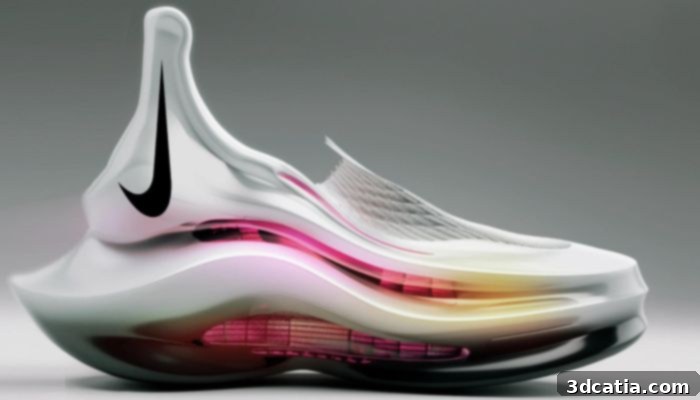
The meticulously designed shoe of basketball player A’ja Wilson, a testament to personalized performance.
Indeed, the Nike A.I.R. initiative stands as arguably the brand’s most intensive and deeply integrated collaboration with its athletes in history. From the nascent brainstorming sessions to the final prototype stages, the participating athletes were intricately involved in every single step of the design process. This unprecedented level of engagement was crucial for creating footwear that wasn’t just functional, but a true reflection of their unique personalities, cultural backgrounds, and competitive spirits in the form of a high-performance shoe. The 13 distinct prototypes unveiled are not merely Nike products; they are genuine co-creations, born from a synergistic partnership between Nike’s expert design and engineering teams and an elite roster of Olympic and Paralympic athletes. These athletes represent a diverse spectrum of disciplines, including the grueling demands of marathon running, the precise movements of tennis, the explosive power of basketball, and the dynamic agility of soccer, ensuring that each prototype addresses a unique set of athletic requirements and personal expressions.
Crafting 13 Unique Creations: A Symbiosis of AI, 3D Printing, and Human Insight
The journey to crafting these 13 revolutionary shoes commenced with an intensive and deeply personal initial phase. Nike’s design teams conducted extensive, in-depth interviews with each athlete, delving far beyond typical performance metrics. These conversations explored their individual vision of the perfect shoe, encompassing everything from specific design preferences and customization desires to profound insights into their personal stories, cultural backgrounds, unique playing or running styles, and pivotal life experiences that shaped them as individuals and athletes. The breadth and depth of these wide-ranging answers provided a rich qualitative data set. This wealth of information was then meticulously summarized by an advanced artificial intelligence system, which distilled complex narratives into core thematic ideas for each athlete. Building upon these distilled insights, the AI then embarked on an even more impressive task: generating hundreds of distinct visual concepts and images for each athlete. These algorithm-generated images served as an unparalleled wellspring of inspiration, providing Nike designers with a multitude of starting points and creative directions for their initial design sketches, which were subsequently presented back to the athletes for their feedback and refinement.
Following the AI’s initial ideation phase, each athlete and sports personality was brought back into the loop to offer their invaluable individual insights and critical feedback. This iterative process was essential for refining the designs from abstract concepts into tangible, high-performance footwear. For instance, the legendary marathon runner Eliud Kipchoge meticulously highlighted potential performance concerns with an initial model, particularly regarding its aerodynamic efficiency and sole stability, prompting necessary adjustments for optimal speed and endurance. Similarly, other athletes provided detailed feedback on various aspects, suggesting enhancements to the aesthetics, functionality, and personal expression of their initial prototypes. Tennis player Zheng Qinwen’s shoe, for example, features a captivating design shaped like a majestic snake. This motif is not merely an aesthetic choice; it powerfully symbolizes the Chinese lunar calendar’s Year of the Dragon, a creature associated with power and good fortune, and deeply reflects her proud Chinese heritage, adding a layer of profound cultural significance to her personalized footwear. This ongoing dialogue between designers and athletes ensured that the prototypes were not only technically superior but also resonated deeply with the individuals they were designed for.
The detailed feedback provided by the athletes proved absolutely invaluable to the Nike design team, serving as a crucial reality check. Their insights highlighted potential flaws or areas for improvement in some of the initial AI-generated designs, identifying aspects that might not have withstood the rigorous demands of professional sports or truly reflected an athlete’s unique biomechanics. Crafting the final prototypes for the 13 athletes involved a sophisticated blend of various design and manufacturing techniques. This hybrid approach included traditional hand drawings to capture initial creative sparks, precise 3D sketching for complex geometries, advanced computer-aided design (CAD) for detailed modeling, and most critically, rapid 3D printing for physical manifestation. This integration of digital and physical processes significantly expedited the entire production workflow for Nike. While traditional methods of creating such bespoke prototypes could have taken anywhere from weeks to several months, the final, highly functional prototypes were completed within a remarkably short timeframe – often in a matter of hours to at most a few days. Nike’s state-of-the-art Concept Creation Center, equipped with an array of rapid 3D printers and advanced manufacturing capabilities, played a pivotal role in achieving this accelerated timeline, working in seamless conjunction with the intelligent integration of artificial intelligence.
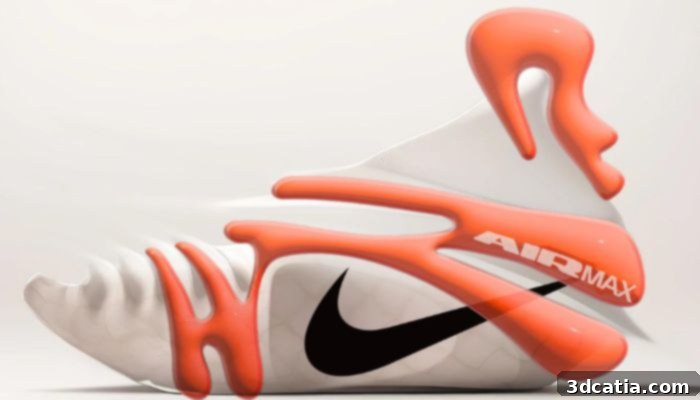
Tennis player Zheng Qinwen’s shoe, a striking blend of performance and cultural homage, beautifully pays tribute to her heritage.
“AI exponentially increases our creative process,” states Roger Chen, Nike VP, NXT, Digital Product Creation, emphasizing the transformative power of this technology. He elaborates on the efficiency gains: “Creating these starting points used to take us months to do. Now, we can create them in seconds. We liken AI to a sharper, more intelligent pencil. The designer is still in control. It’s what you do with the pencil that creates the magic. We gave these generative programs entire worlds to reflect back to us, and they did that. But that doesn’t happen without the thorough listening sessions our teams conducted with our athletes.” Chen’s analogy perfectly encapsulates the role of AI as an augmentative tool, dramatically accelerating the initial ideation and exploration phases while keeping human creativity and athletic insights at the helm. It underscores that while AI provides an incredible volume of possibilities, the discerning eye and experienced hand of the designer, guided by the athlete’s specific needs, are what truly sculpt these concepts into revolutionary products.
With the A.I.R. project, Nike aims to achieve more than just innovative design; it seeks to provide athletes with truly bespoke, high-performance equipment that not only meets their rigorous physical demands but also authentically reflects their personality, narrative, and individual style. This personalized approach is designed to provide unparalleled support as they relentlessly pursue their personal best times, achieve top performances, and break new records. At the same time, the brand is looking significantly further into the future, understanding that this project is not merely limited to the context of the 2024 Olympic Games in Paris. The 13 prototypes serve as a profound source of inspiration and a tangible roadmap for the brand to explore what the footwear of the future could truly look like. They represent a bold step towards a paradigm where every athletic shoe is a unique synthesis, flawlessly integrating peak performance capabilities with deeply personal expression, ultimately enhancing both the physical and psychological aspects of an athlete’s game. This vision extends beyond elite athletes, hinting at a future where such customization could become more widely accessible.
“For these prototypes to be successful, they must stir emotions,” explained John Hoke, Nike’s Chief Innovation Officer, capturing the essence of the project’s ambition. “They must evoke a sense of awe for what lies just beyond the horizon, an optimism for the future. What I really hope this project stirs up is a sense of unlimited potential. Nike Air is a nearly 50-year-young technology. We’re only at the cusp of harnessing Air’s potential, its full expression. And these footwear prototypes show we’re nowhere near done.” Hoke’s words articulate that Nike A.I.R. is not just about shoes, but about inspiring a belief in limitless possibilities in athletic achievement and design innovation. It highlights that even with a legacy technology like Nike Air, there is still immense unexplored potential when combined with modern tools like AI and 3D printing. The prototypes are a powerful declaration that Nike continues to push boundaries, envisioning a future where footwear is as unique and dynamic as the athletes who wear it. To delve deeper and find out more about the visionary Nike A.I.R. project, click here.
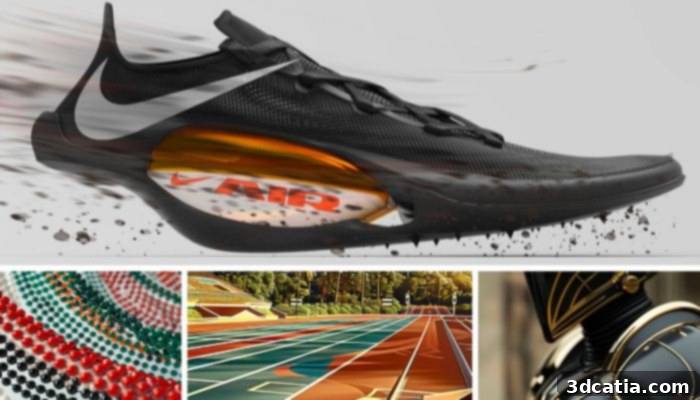
Illustrative concept for Kenyan runner Faith Kipyegon, showcasing some of the inspiring AI results that guided the design process.
What are your thoughts on the groundbreaking Nike A.I.R. project and its implications for the future of personalized athletic footwear? We invite you to share your insights and comments below, or connect with us on our LinkedIn, Facebook, and Twitter pages! Don’t forget to sign up for our free weekly newsletter here for the latest 3D printing news and innovations delivered straight to your inbox! You can also find all our engaging videos and exclusive content on our YouTube channel. Join the conversation and explore the cutting edge of additive manufacturing!
*All Photo Credits: Nike