
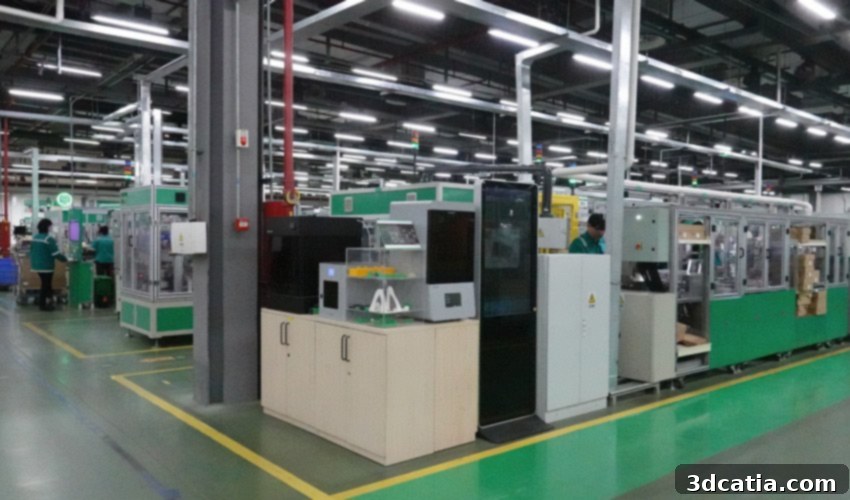
Schneider Electric Revolutionizes Industrial Operations with RAYSHAPE DLP 3D Printing for On-Demand Spare Parts
Schneider Electric, a venerable European company established in 1836, operates globally as a leader in energy management and industrial automation. Among its diverse operations, the company is deeply involved in the development and manufacture of critical components such as air circuit breakers. Facing common industry challenges, particularly disruptions in the global supply chain leading to stock shortages for essential spare parts and tooling, Schneider Electric sought innovative solutions. This quest led them to strategically integrate additive manufacturing into their operational framework. Specifically, within their facilities management department, they opted for the cutting-edge Shape 1 3D printer from RAYSHAPE. This pivotal adoption enabled Schneider Electric to produce these vital components not only more quickly but also significantly more cost-effectively. For over five months, the company has been consistently harnessing the extensive benefits offered by this advanced resin additive manufacturing process, transforming their approach to maintenance and production resilience.
The manufacturing industry is inherently complex, and the production of spare parts presents a unique set of challenges. Unlike high-volume consumer goods, spare parts are typically not produced in large series, making their supply chain particularly vulnerable. Any interruption, whether due to geopolitical events, logistical hurdles, or material shortages, can have a massive and cascading impact across entire industries, leading to costly downtime and operational inefficiencies. This is precisely where modern 3D printing technology, also known as additive manufacturing, emerges as a game-changer. It offers a vastly superior system for producing single items or short series compared to traditional manufacturing methods, boasting significantly faster turnaround times and reduced costs. Furthermore, the continuous development of new, advanced materials has effectively removed previous limitations, making the technology increasingly viable for even the most demanding industrial applications. For Schneider Electric, material performance was a crucial factor, as many of their applications necessitate materials exhibiting high toughness alongside impeccable dimensional accuracy. To meet these stringent requirements, Schneider Electric collaborated with RAYSHAPE, a specialized Chinese manufacturer renowned for developing professional DLP (Digital Light Processing) 3D printing solutions, encompassing state-of-the-art machines, high-performance materials, and integrated post-processing solutions.
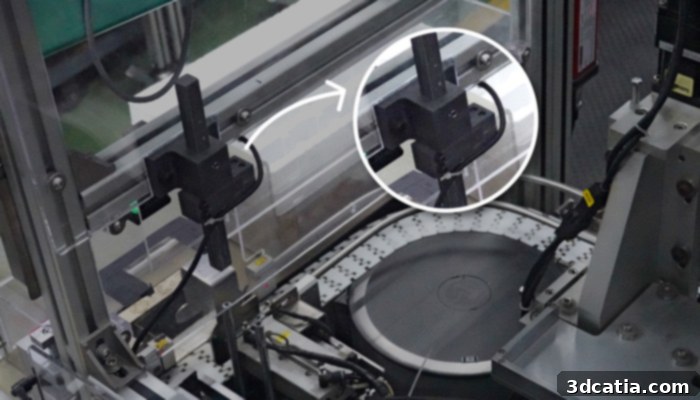
Schneider Electric has successfully integrated RAYSHAPE’s Shape 1 3D printer into its operations, revolutionizing spare parts and tooling manufacturing (photo credits: RAYSHAPE)
Advantages of Adopting DLP 3D Printing for Industrial Applications
The integration of resin additive manufacturing into Schneider Electric’s facilities management processes yielded immediate and profound benefits, particularly in streamlining their operational workflow. Historically, creating a final part involved a lengthy and often bureaucratic collaboration chain, requiring input and approvals from engineers, external suppliers, and purchasing managers. This multi-step process often led to significant delays, particularly when a critical spare part was needed urgently. With the deployment of RAYSHAPE’s Shape 1 3D printer, engineers gained unprecedented autonomy and agility. They are now empowered to design, iterate, and 3D print replacement parts directly in-house, effectively cutting out numerous steps and drastically reducing lead times. This capability stands in stark contrast to traditional methods like CNC machining, which typically demand more extensive setup, specialized programming, and considerable time investment. 3D printing, especially with a user-friendly system like the Shape 1, allows front-line engineers to address and resolve problems within the same day they arise. This rapid problem-solving capability is a monumental advantage in maintaining uninterrupted production lines and minimizing costly downtime.
Beyond immediate problem resolution, one of the most compelling advantages of this advanced additive manufacturing technology is its inherent flexibility and efficiency. The Shape 1 can manufacture complex parts in a single, consolidated process, often operating autonomously. This means that problems can be tackled and solutions can be manufactured during non-business hours, ensuring that production critical issues are resolved almost instantly, ready for the next shift. This “lights-out” manufacturing capability significantly boosts operational resilience and responsiveness, a key factor in competitive industrial environments. The Shape 1 itself is a high-performance desktop 3D printer engineered for industrial precision and speed. It is capable of printing at remarkable speeds of up to 50mm per hour, while maintaining high accuracy. This impressive speed means that multiple tools, each with a height of 10 cm, can be created within a relatively short period, dramatically increasing throughput. Furthermore, with a generous print volume of 192 × 108 × 300 mm, the machine can produce numerous 3D printed parts simultaneously. Thanks to the comprehensive capabilities of DLP light-curing technology, which cures entire layers at once rather than point-by-point, these multiple parts can be completed in approximately three hours, depending on complexity and material. To specifically address Schneider Electric’s demanding material requirements for toughness and durability, RAYSHAPE recommended their Pro 10 resin. This specialized photopolymer boasts a Shore hardness of 86D and offers a meticulously balanced mechanical performance, characterized by high tensile strength, exceptional flexural strength, a low strain rate, and minimal creep—properties that are vital for robust industrial applications.
Tangible Benefits and Return on Investment for Schneider Electric
The competitive advantage gained through the adoption of additive manufacturing has profoundly impacted Schneider Electric’s operational culture. It has empowered engineers, granting them greater control over critical processes and reinvigorating a passion for technological innovation and problem-solving. This newfound capability fosters an environment where business processes become more efficient, deeper, and nuanced, moving beyond reactive fixes to proactive solutions. The pace of production lines becomes significantly more manageable, as urgent problems can be addressed swiftly and effectively, minimizing disruptions and maximizing uptime. This strategic shift transforms challenges from urgent crises into manageable tasks, leading to overall enhanced operational stability and productivity.
In terms of quantifiable investment return, the team at Schneider Electric’s Wuhan facility has reported truly remarkable outcomes. Over a period of just five months, they were able to 3D print more than 110 different parts. This impressive output directly translated into substantial financial and operational gains. By internalizing production and leveraging RAYSHAPE’s technology, Schneider Electric achieved an astounding 80% reduction in manufacturing costs for these parts. These savings stem from various factors, including reduced material waste, elimination of external supplier markups, lower inventory holding costs, and significantly decreased lead times that avoid costly production stoppages. Furthermore, the efficiency of the DLP process allowed them to produce parts at twice the rate achievable with traditional methods. This accelerated production, combined with the drastic cost reduction, highlights a clear advantage over conventional manufacturing techniques like CNC machining, especially for low-volume, high-value spare parts or custom tooling. The investment in the RAYSHAPE Shape 1 3D printer proved to be exceptionally prudent, as the team was able to fully recoup their initial investment costs from the production of merely the 100th part. This rapid return on investment underscores the economic viability and transformative potential of integrating advanced additive manufacturing into industrial operations. For those interested in exploring the specifics of how RAYSHAPE’s innovative technology has propelled Schneider Electric’s production processes forward, detailed information is available on their official website, accessible here.
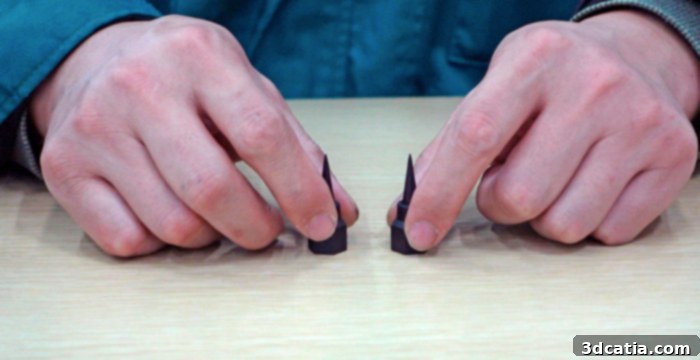
DLP 3D printing technology has proven instrumental in creating spare parts faster and more economically for Schneider Electric’s operations (photo credits: RAYSHAPE)
Conclusion: A Blueprint for Future Industrial Efficiency
Schneider Electric’s successful implementation of RAYSHAPE’s DLP 3D printing technology serves as a compelling case study for industrial enterprises worldwide. It demonstrates how strategic adoption of additive manufacturing can effectively mitigate supply chain risks, dramatically reduce operational costs, and foster an environment of continuous innovation and efficiency. By embracing on-demand production for spare parts and tooling, Schneider Electric has not only fortified its own resilience but also set a new standard for how large-scale manufacturing can adapt and thrive in an increasingly dynamic global landscape. This partnership exemplifies the profound impact that advanced 3D printing solutions can have on modern industrial operations, offering a blueprint for enhanced agility, sustainability, and economic viability.
What are your thoughts on Schneider Electric’s pioneering integration of RAYSHAPE’s DLP technology to enhance the production of critical spare parts and tooling? We invite you to share your insights and comments below, or join the conversation on our social media channels: LinkedIn, Facebook, and Twitter. Don’t miss out on the latest advancements in additive manufacturing—subscribe to our free weekly Newsletter here to get cutting-edge 3D printing news delivered directly to your inbox! You can also explore all our informative videos and engaging content on our dedicated YouTube channel.
*Cover Photo Credits: RAYSHAPE