
Simplifyber: Pioneering Sustainable 3D Printed Clothing with Cellulose for a Greener Fashion Future
The global textile industry, a colossal sector often criticized for its environmental impact, stands on the cusp of a revolutionary transformation. Just like many other traditional manufacturing domains, the emergence of additive manufacturing, commonly known as 3D printing, is poised to dramatically redefine how garments are designed, produced, and consumed. As 3D printers evolve to precisely print materials and colors directly onto textiles, a growing number of forward-thinking fashion companies are enthusiastically embracing this cutting-edge technology. Among these innovative pioneers, Simplifyber has emerged with a truly groundbreaking approach, fundamentally challenging traditional textile manufacturing techniques. By seamlessly integrating additive manufacturing with a naturally sourced material, Simplifyber has reportedly developed a highly sustainable process. This innovative method drastically reduces the amount of material required by an impressive 35% and simultaneously cuts down approximately 60% of the conventional production steps, heralding a new era for eco-conscious apparel.
The Genesis of Sustainable Apparel: Cellulose and 3D Printing
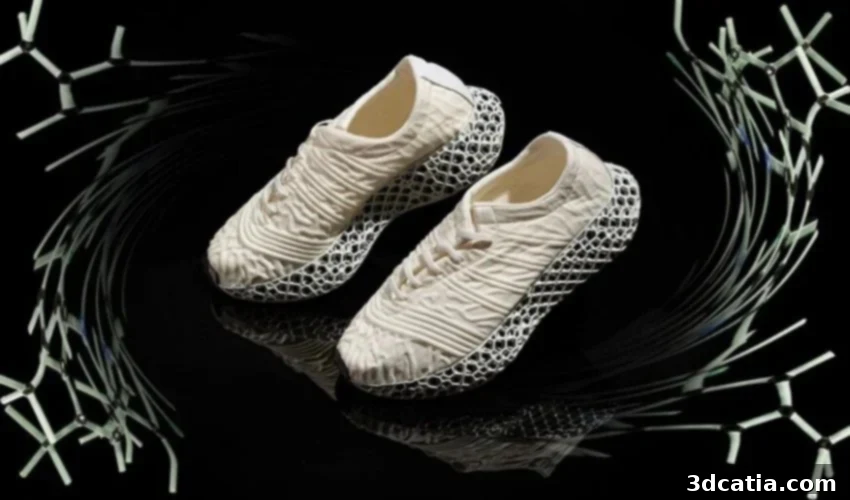
Simplifyber’s clothing represents a paradigm shift, being entirely 3D printed from cellulose. Cellulose, the most abundant organic compound found in nature, is a key structural component of plants, cereals, and cotton. Its ubiquitous presence and natural biodegradability make it an ideal foundation for sustainable fashion. This visionary company has partnered with renowned designer Maria Intscher-Owrang, whose illustrious career includes serving as a fashion designer and director at prestigious houses such as Vera Wang, Calvin Klein, and Alexander McQueen. Together, their ambitious goal is to introduce biodegradable and affordable clothing to the market, actively paving the way towards a genuinely sustainable fashion industry. This sector is currently beleaguered by complex issues stemming from fast fashion, excessive waste, and unsustainable production practices.
Maria Intscher-Owrang elaborates on the revolutionary nature of their method: “We discovered a way to create clothing using soft plant fibers. We start with a liquid cellulose – made in a lab, not in a mill – which is then poured on specially-designed molds and dried, eliminating fabric waste altogether and allowing on-demand, stock-free service.” This novel technique effectively bypasses several historically essential and resource-intensive steps: spinning raw fibers into yarn, weaving yarn into fabric, cutting patterns from large fabric rolls, and the extensive sewing required for garment assembly. By transitioning to a direct 3D printing process with liquid cellulose, Simplifyber not only eradicates fabric waste but also opens up possibilities for unprecedented design complexity, customization, and a responsive, demand-driven supply chain that could significantly reduce overproduction and inventory costs. The implications for both environmental preservation and economic efficiency are profound, demonstrating a clear path forward for responsible manufacturing.

Photo Credits: Simplifyber
Simplifyber: Crafting the Clothes of Tomorrow?
With an impressive $3.5 million secured in fundraising, Simplifyber is strategically positioned to democratize its innovative manufacturing method. The company’s core technique utilizes 100% natural, plant-based materials, primarily a combination of paper pulp and other organic compounds. This commitment to natural inputs ensures that Simplifyber’s clothing is not only fully biodegradable but also remarkably easy to recycle, closing the loop on a truly circular economy model within fashion. As Maria Intscher-Owrang previously highlighted, the inherent flexibility of additive manufacturing empowers Simplifyber to design and produce garments strictly on an on-demand basis. This pivotal capability eliminates the need for vast, speculative stock inventories, thereby drastically reducing waste associated with unsold merchandise, overproduction, and seasonal clearances. This dynamic approach offers compelling evidence that advanced technologies, when applied thoughtfully, can serve as powerful enablers for industries striving to achieve profound levels of eco-responsibility and sustainability.
The environmental advantages of Simplifyber’s model extend far beyond material choice. By producing garments only when they are needed, the company minimizes resource consumption across its entire supply chain – from raw material acquisition and processing to manufacturing and distribution. This lean production system also fosters greater design freedom, allowing for rapid prototyping and iteration, while simultaneously reducing the carbon footprint associated with traditional, energy-intensive textile production. Furthermore, the localized, on-demand nature of 3D printing holds the potential to shorten supply chains, mitigating logistical complexities and the environmental costs associated with global shipping. This holistic approach underscores Simplifyber’s commitment not just to a product, but to a fundamentally more sustainable ecosystem for fashion.
Redefining Value: Economic Viability Meets Environmental Stewardship
Laurie Menoud, a partner at Simplifyber, articulates the groundbreaking potential of the company’s approach with compelling clarity: “With its single-step process for clothing making, Simplifyber has the potential to beat the unit economics of polyester, becoming an economically and environmentally viable solution against plastic waste. We’re looking forward to partnering with the team to bring this solution to scale. We believe Simplifyber could be the apparel of the future: They are not only beautifully designed but have a low carbon footprint and are price-accessible, which is a significant differentiation from other sustainable clothing brands.” This statement encapsulates the multifaceted benefits that position Simplifyber as a true disruptor in the textile industry.
The “single-step process” is a game-changer. By consolidating numerous traditional manufacturing stages into one streamlined additive manufacturing operation, Simplifyber dramatically reduces labor, energy, and material costs. This inherent efficiency allows the company to potentially outperform the unit economics of polyester, a petroleum-derived synthetic fiber known for its low cost but significant environmental footprint, including its contribution to microplastic pollution. The ability to offer an economically competitive alternative that is also environmentally superior positions Simplifyber uniquely in the market. Many sustainable fashion brands struggle with high production costs, which often translate into premium prices, making their products inaccessible to a broader consumer base. Simplifyber’s commitment to being “price-accessible” tackles this challenge head-on, aiming to make eco-friendly clothing a mainstream option rather than a luxury niche.
Furthermore, the emphasis on a “low carbon footprint” directly addresses one of the most pressing concerns in the fashion industry. From raw material extraction to manufacturing, transportation, and disposal, traditional apparel production is highly carbon-intensive. By utilizing natural, renewable resources like cellulose and implementing an efficient, waste-reducing additive manufacturing process, Simplifyber significantly diminishes its ecological impact. The combination of beautiful design, environmental responsibility, and affordability creates a powerful value proposition. This holistic approach makes Simplifyber not just a sustainable alternative, but a truly viable and attractive option for consumers and the industry at large, signaling a pivotal shift towards a more responsible and accessible fashion future.
You can discover more fascinating details about Simplifyber’s innovative journey and vision by visiting their official website HERE. Explore their mission, technology, and commitment to revolutionizing the apparel sector with sustainable practices.
The Broader Implications for the Future of Fashion
Simplifyber’s pioneering work has significant implications that extend far beyond its own product line, potentially influencing the entire fashion industry. Their model demonstrates a viable pathway for other brands, both established and emerging, to adopt more sustainable and efficient production methods. The success of cellulose-based 3D printing could inspire further research and development into other bio-based and recyclable materials suitable for additive manufacturing, accelerating the industry’s transition away from fossil-fuel-derived synthetics and resource-intensive natural fibers like conventional cotton. Moreover, the emphasis on on-demand, stock-free manufacturing challenges the ingrained seasonal collection model, promoting a more fluid, responsive, and ultimately less wasteful fashion cycle. This shift could lead to reduced inventory gluts, fewer markdowns, and a more stable economic environment for brands.
From a consumer perspective, the rise of companies like Simplifyber empowers individuals to make more conscious and responsible purchasing decisions without sacrificing style or affordability. As sustainable options become more accessible and aesthetically appealing, consumer demand for eco-friendly apparel is likely to grow, further pushing the industry towards greener practices. The ability to customize garments through 3D printing also holds immense potential, allowing for bespoke fits and unique designs that cater to individual preferences, moving away from mass-produced uniformity towards personalized fashion. This confluence of technological innovation, environmental responsibility, and consumer empowerment positions Simplifyber not just as a company, but as a vanguard leading the charge toward a more ethical, efficient, and imaginative future for fashion.
A Vision for a Sustainable Apparel Industry
Simplifyber stands as a beacon of innovation in the textile sector, offering a compelling vision for a future where fashion is intrinsically linked with environmental stewardship and economic accessibility. By merging the precision and flexibility of additive manufacturing with the natural abundance of cellulose, they are not merely creating garments; they are forging a new paradigm for apparel production. Their commitment to biodegradability, waste reduction, and price accessibility demonstrates that sustainable fashion does not have to be an exclusive luxury but can be a mainstream reality. This transformative approach promises to address some of the most pressing challenges facing the industry today, from ecological degradation to unsustainable consumption patterns.
What are your thoughts on Simplifyber’s groundbreaking approach to sustainable clothing? Do you believe 3D printed cellulose could revolutionize the fashion industry? We invite you to share your insights and comments below! You can also connect with us and join the conversation on ourLinkedIn,Facebook, andTwitter pages to discuss the latest advancements in 3D printing and sustainable technology. Don’t miss out on vital industry updates – sign up for our free weeklyNewsletter here to receive the freshest 3D printing news directly to your inbox! Additionally, explore all our engaging video content on our dedicatedYouTube channel.
*Cover Photo Credits: Simplifyber – Highlighting their innovative approach to sustainable 3D printed apparel.